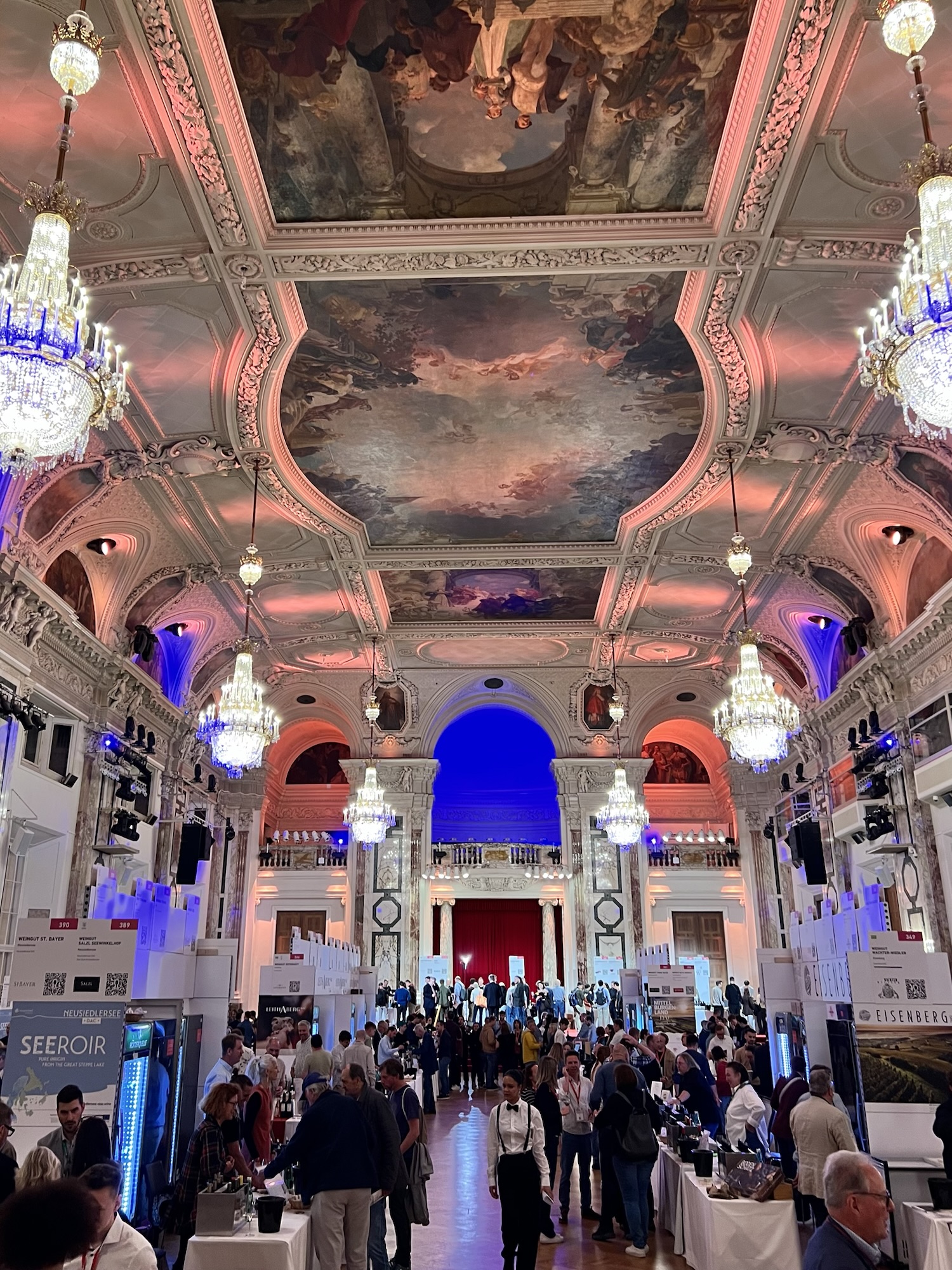
Almost a year ago, a friend of mine and sommelier told me about a massive Austrian wine fair at a palace in Vienna and suggested I join. A wine fair in a palace? I think I can make it work.
It’s called VieVinum and it happens every 2 years, and after witnessing the production that it is, I understand why. From May 16-18th, Austrian Wine took over the Hofburg Palace in central Vienna. There were over 550 exhibitors stretching into the various wings of the palace where Marie Antoinette herself was born. 15,000 visitors – importers, exporters, restauranteurs, MWs, sommeliers, journalists and just plain wine lovers – roam about, tasting the latest from each domaine and mingling with the stars of the scene.
To prepare, I had asked Martina, sommelier and fellow wine lover who I was going to the fair with, for a shortlist of her favorite Austrian producers. Then I studied it. The problem is, amidst studying what was meant to be individual producers, I fell into the Austrian wine wormhole – the grapes, the regions, the classifications (which can also be different depending on the region, conveniently). I stumbled upon No Sediment’s videos explaining Austrian wines and its regions, which I found to be extremely helpful. She also had interviews with winemakers that were present at the wine show. These helped a lot too.
I always had a nagging urge to understand Austrian wine more, and VieVinum was the perfect occasion. I saved a map of the Austrian wine regions on my phone to familiarize myself with the appellations. I asked Chat to make me a cheat sheet, with photos, of all of the producers on Martina’s list. And it paid off during the tasting when I was able to keep up with rapid-fire presentations from producers as they were pouring and explaining their wines. One was also impressed by my knowledge of the Steinfeder/Federspiel/Smaragd Wachau classification system (but do not ask me to pronounce them).
The wine fair
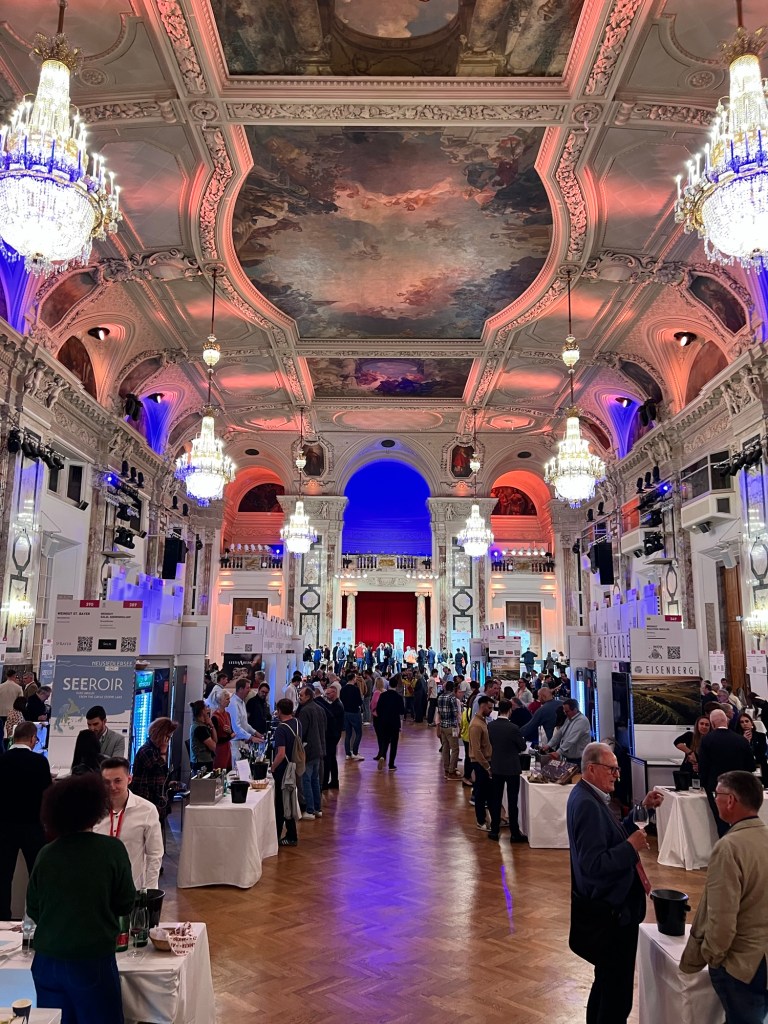
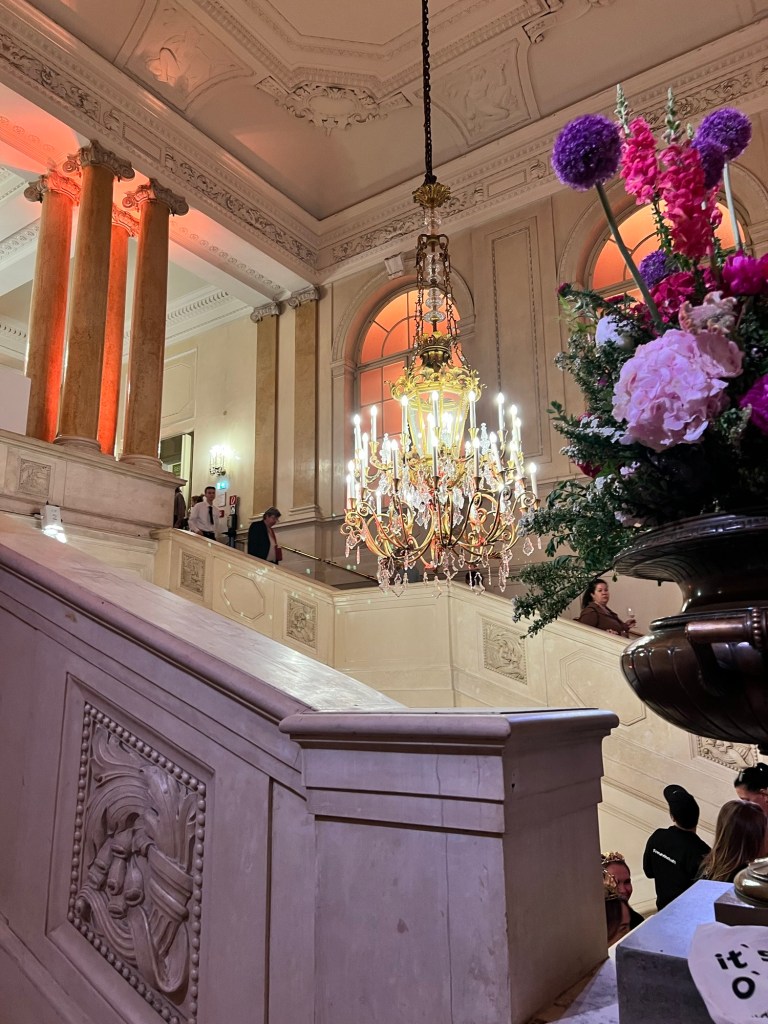
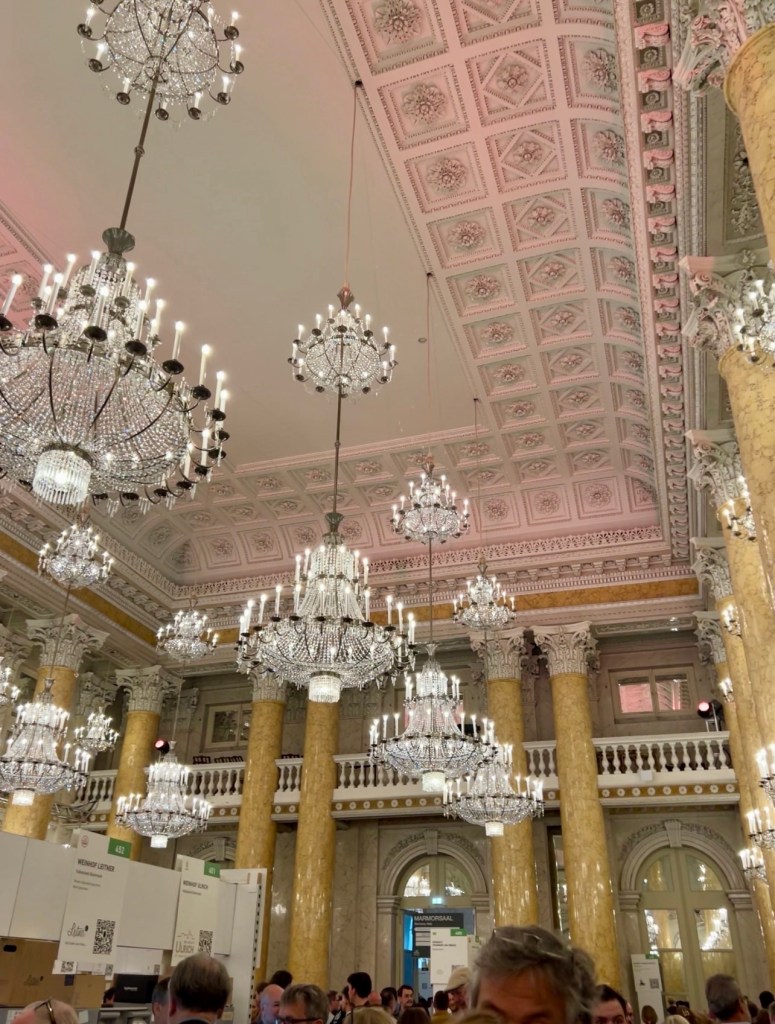
What impressed me the most was how beautiful of a job the event did of promoting not only Austrian wine, but also culture at the same time. They knew that lots of international visitors were coming in for the event, and seized the opportunity to highlight some of Vienna’s most iconic cultural landmarks at the same time. Genius marketing for not only the wines, but also the country itself.
The Austrian Wine welcome party took place at the Museum of Applied Arts in Vienna, while of course the wine fair was hosted at one of the most beautiful landmarks in the city. For visitors such as myself who were only really in town for the event and had never been to Vienna before, it was a great way to simultaneously get some sightseeing in.
The business of Austrian wine

Austrian wine in a few figures:
- 2.5 million hectolitres of wine produced yearly (France is around 50 million HL, for reference)
- 25% of that is exported (Germany is the biggest with 43%, and US is fourth with 7.8%)
- 25% of vineyards are certified organic
- 95% of vineyards are family run, in turn allowing there to be many more biodynamic and organically run wineries
During the Austrian Wine Update masterclass with Chris Yorke, CEO of Austrian Wine and wine marketing expert, one of his opening lines was that Vienna is just an hour’s drive from at least 5,000 wineries, making the city one of the best wine destinations in the world.
Yorke also emphasized everything that Austrian Wine (the marketing agency for the wine industry) is doing to attract and retain more young people. Nowadays, we often hear that young people are drinking less wine, but it was refreshing to see an organization actually taking concrete measures to do something about it. They even created an off-shoot of Austrian Wine called rot weiss rosé (red white rosé), specifically geared towards getting young people into Austrian wine by creating the occasion to drink it (glass-in-hand/liquid-to-lips).
And they have done a successful job already – their IG is young and dynamic, their merch is catchy and they put on fun social events around wine. The entire wine industry should look to Austria as an example and case study for how to market to the younger generation. It would be wise for all wine regions to follow their lead.
The entire wine industry should look to Austria as an example and case study for how to market to the younger generation. It would be wise for all wine regions to follow their lead.
Another cheeky way they have been promoting wine has been via the spritzer – and not the Aperol, etc. ones that most of us think of. It’s ½ wine and 1/2 sparkling water (ratio varies depending on who you ask), an Austrian libation that’s been enjoyed for hundreds of years. It’s a light, low-alcohol, casual but acceptable way to enjoy wine.
The tasting
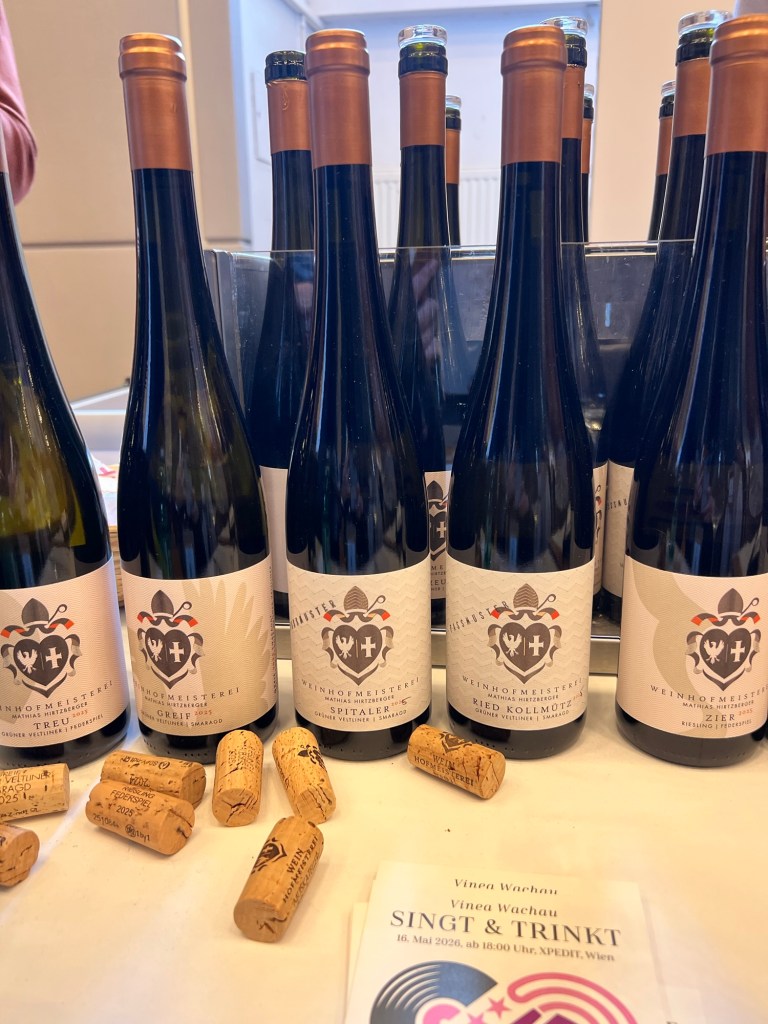
Most producers had on average about 5-6 wines minimum at their stands. We probably tasted at least 30 wines per day, spitting of course (I have to say it for my non-wine fair familiar readers – otherwise it’s a bit alarming).
Side note: spitting at a wine fair is a whole other beast and the lack of organization around it is something that really grinds my gears. As a society, we really need to come up with a more sophisticated way to do this (ask me about my spitoon business idea).
The whites
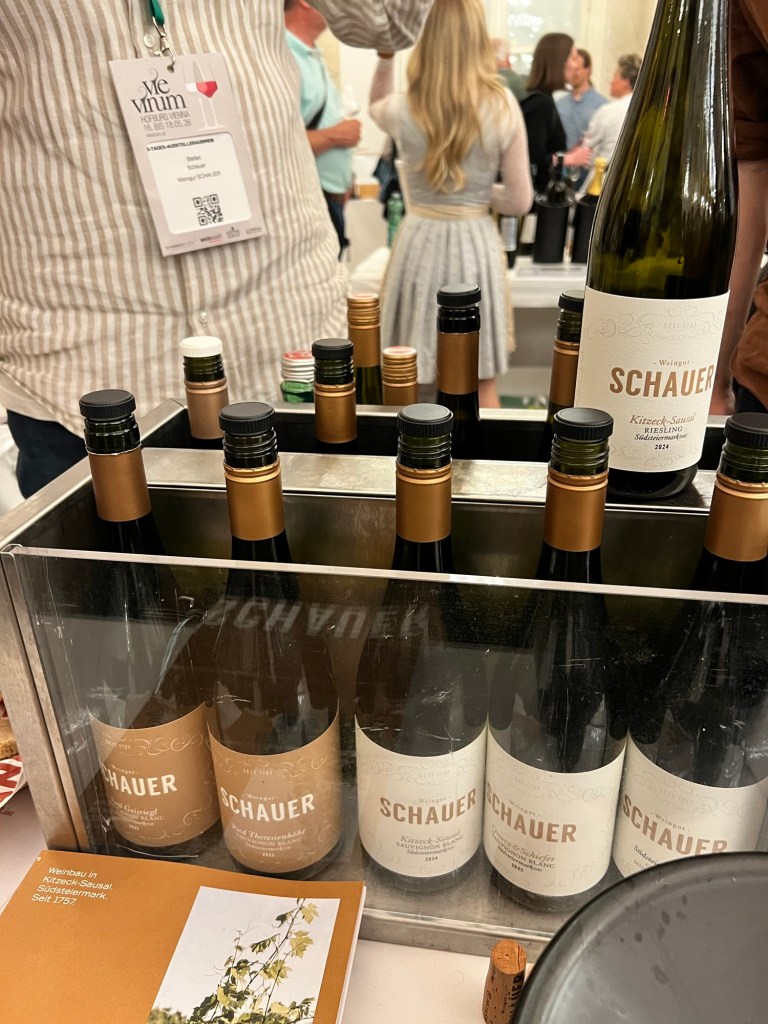
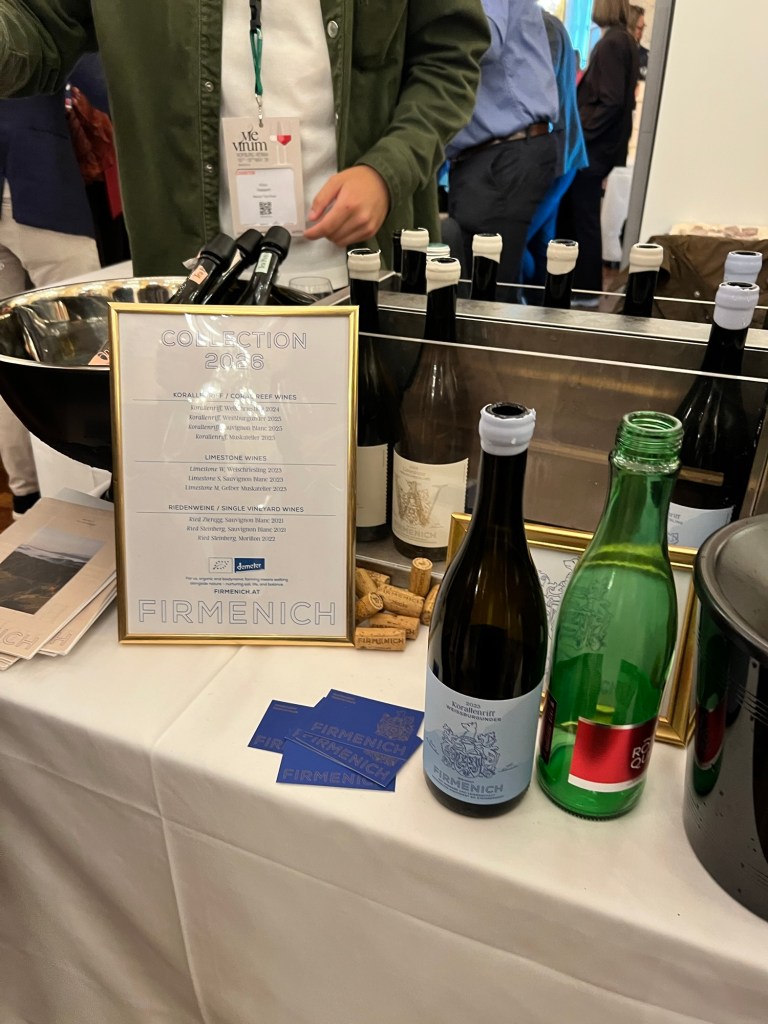
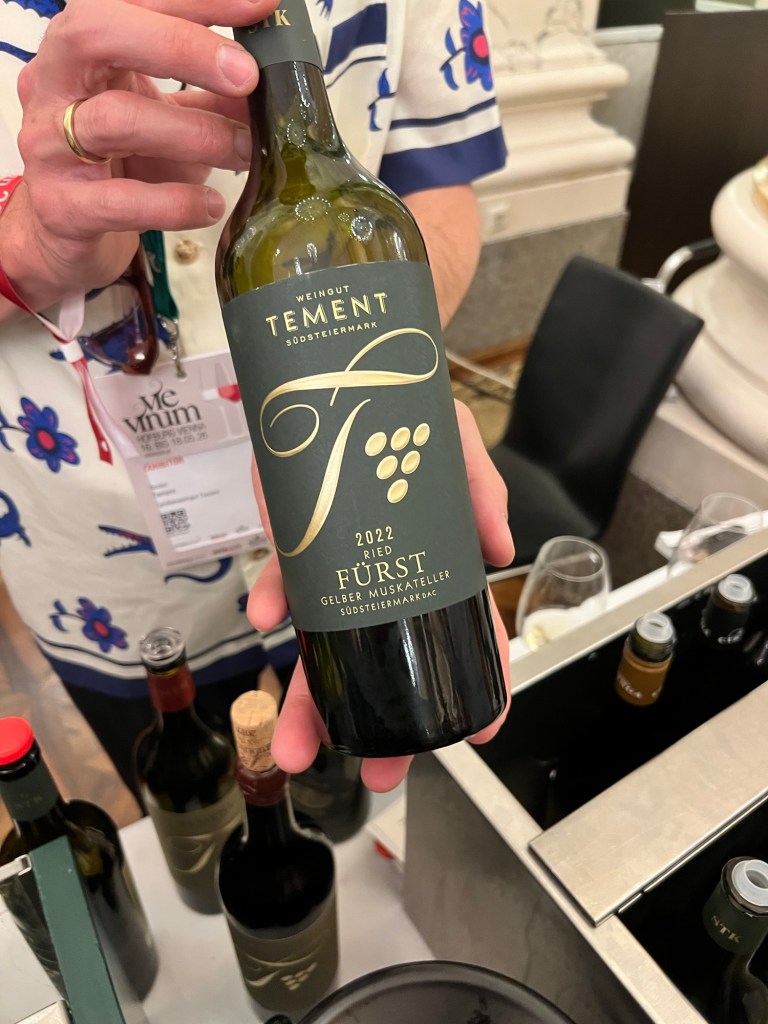
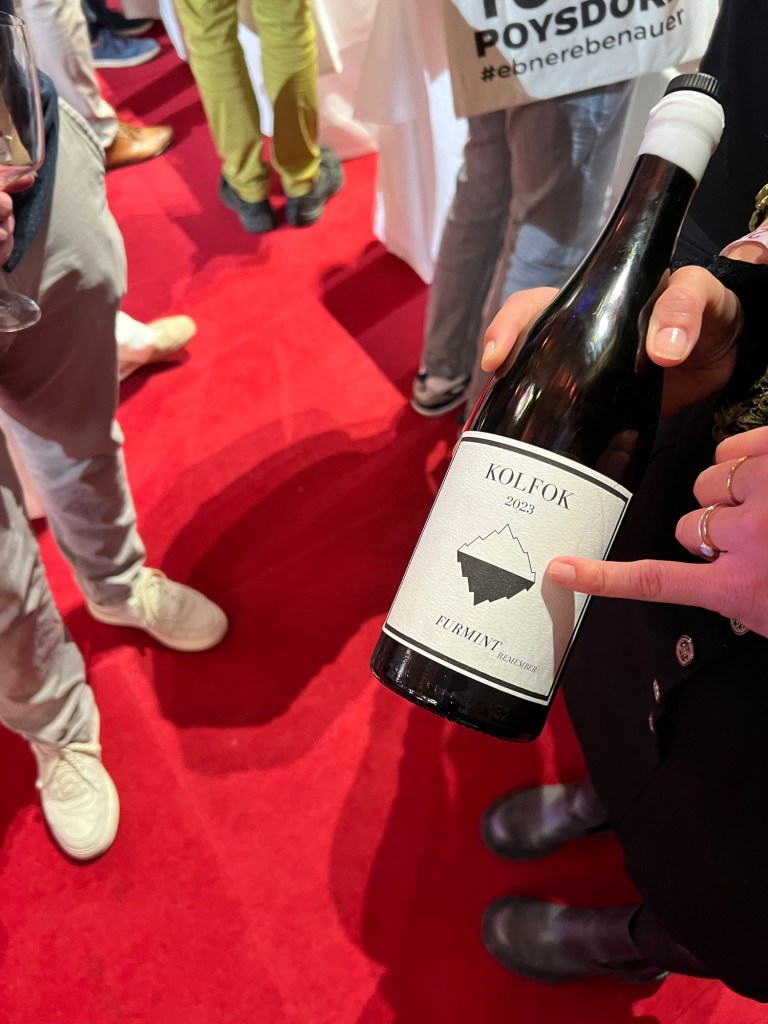
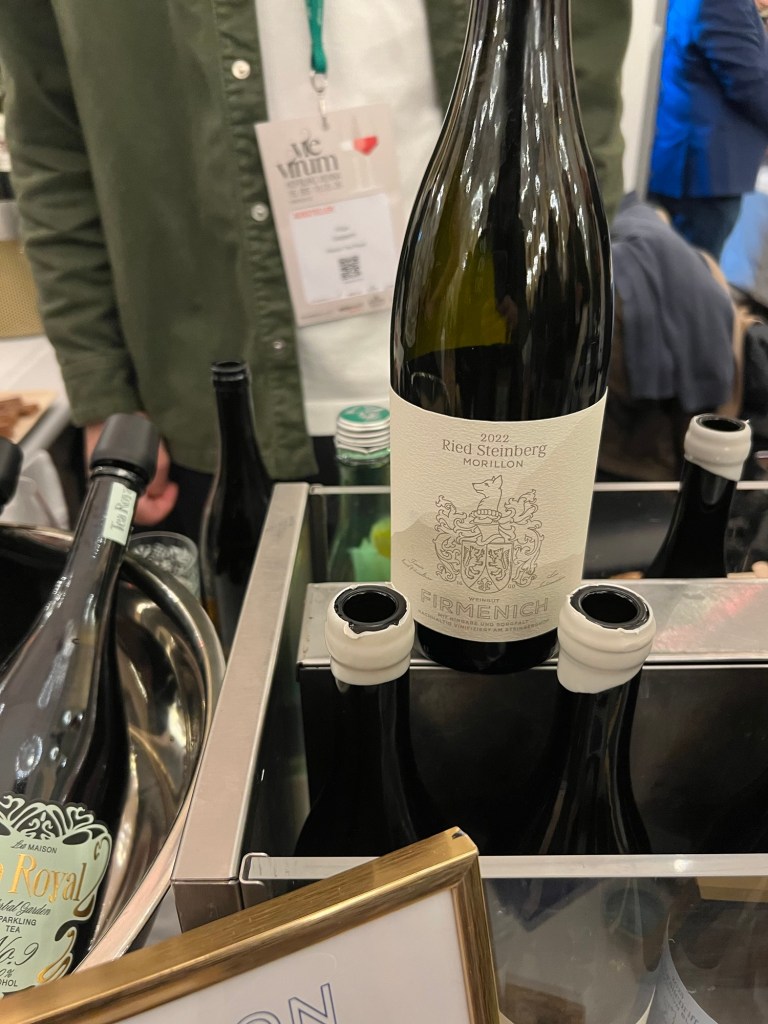
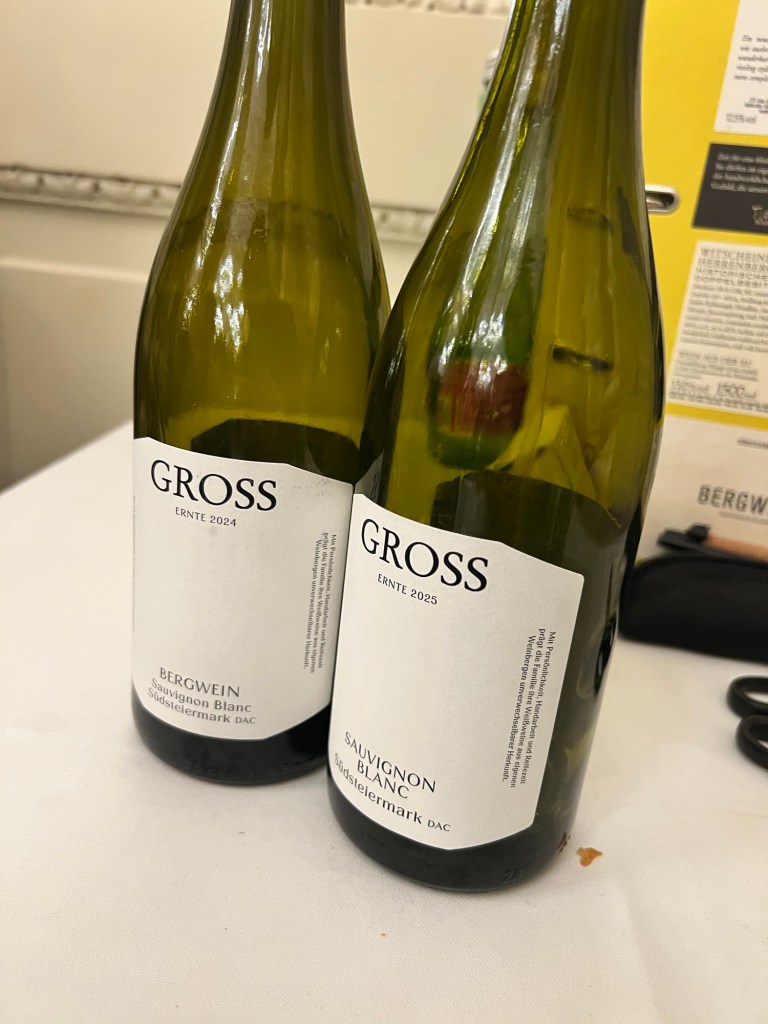
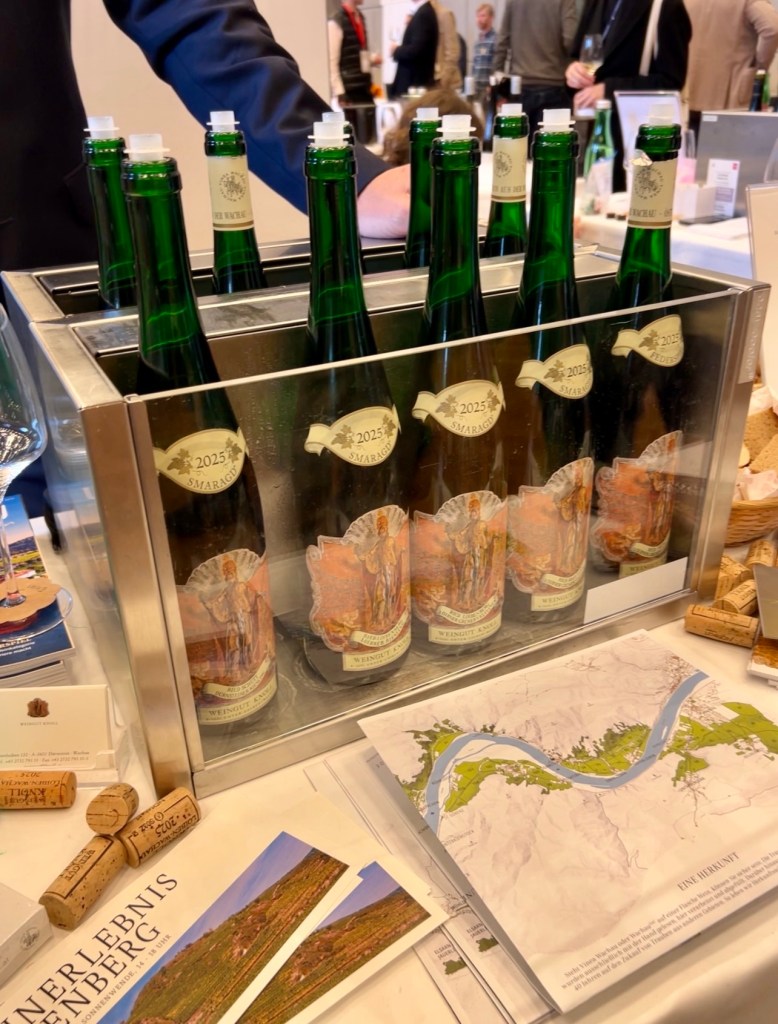
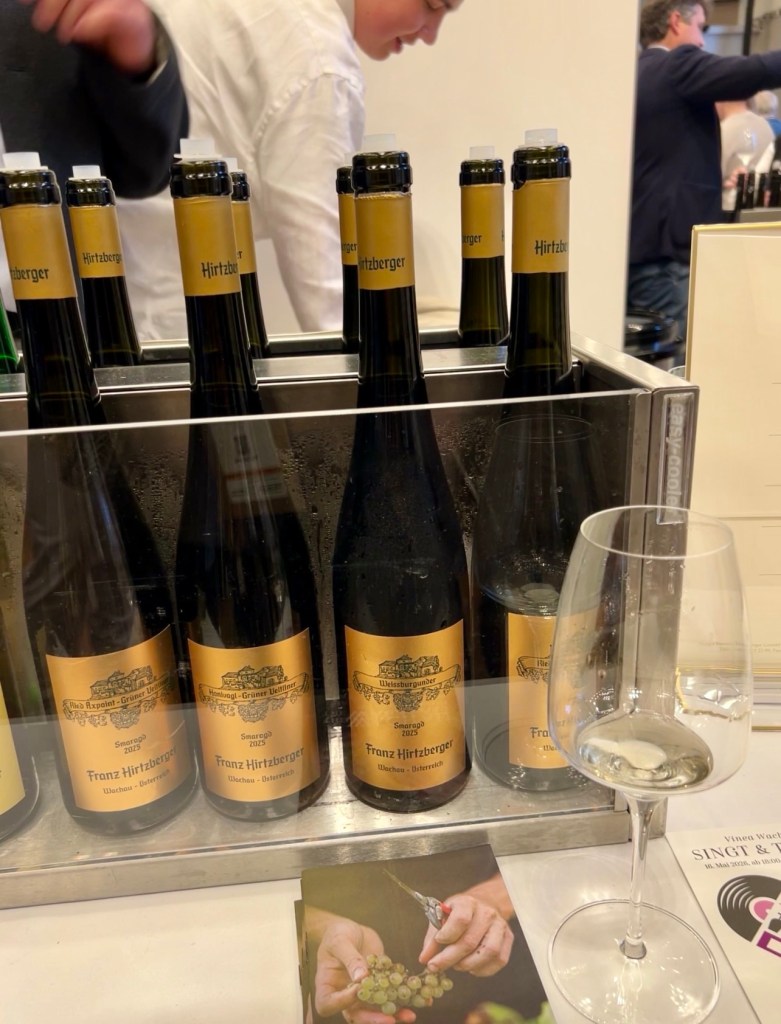
The main and most famous white varietals are of course Grüner Veltliner and Riesling. But actually, Chardonnay and Welschriesling are both widely planted as well. There is also a lot of Pinot Blanc (Weissburgunder), and in the Südsteiermark region, Sauvignon Blanc is king. A lot of beautiful Chardonnay is being made there as well (called Morillon in the region).
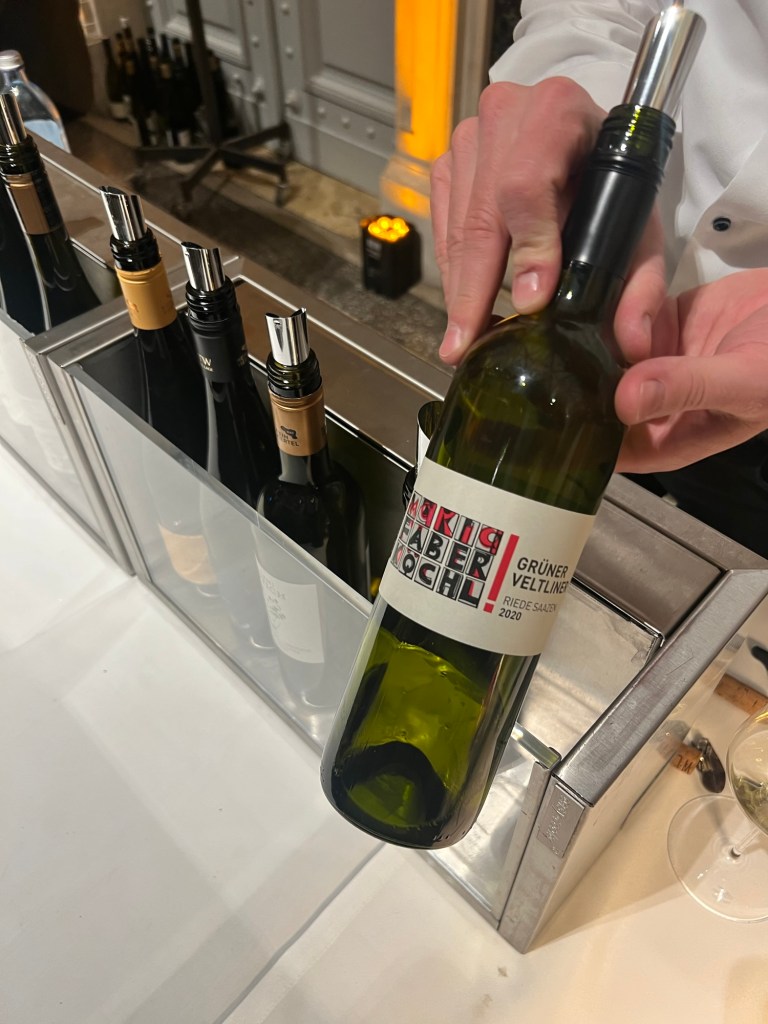
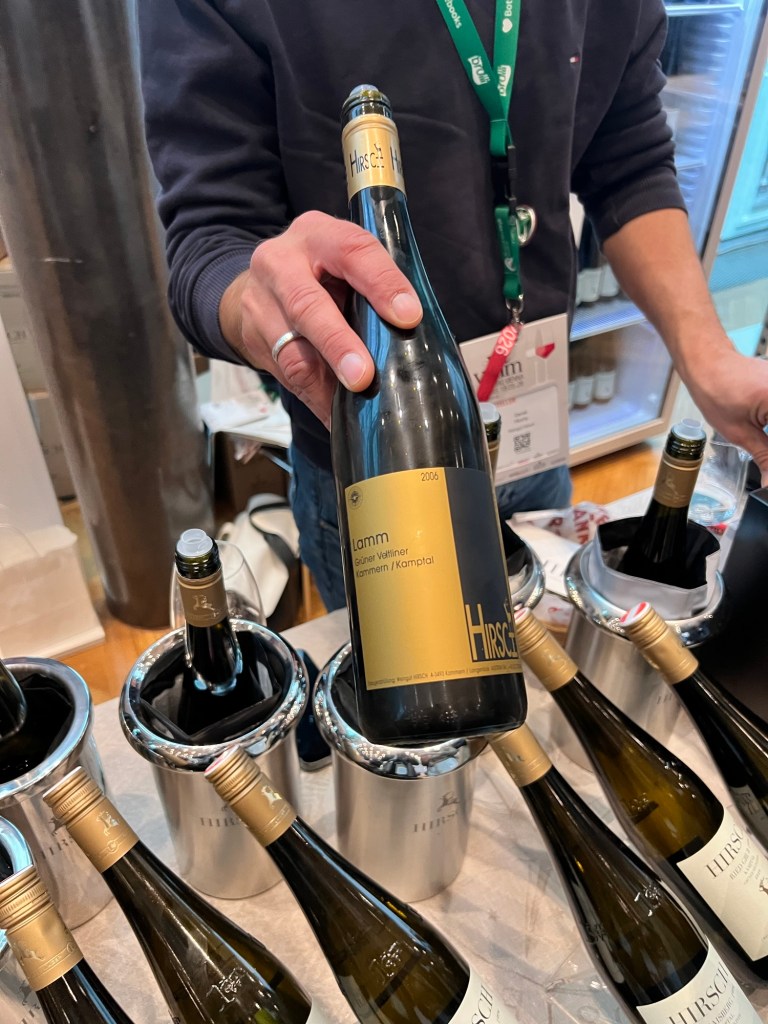
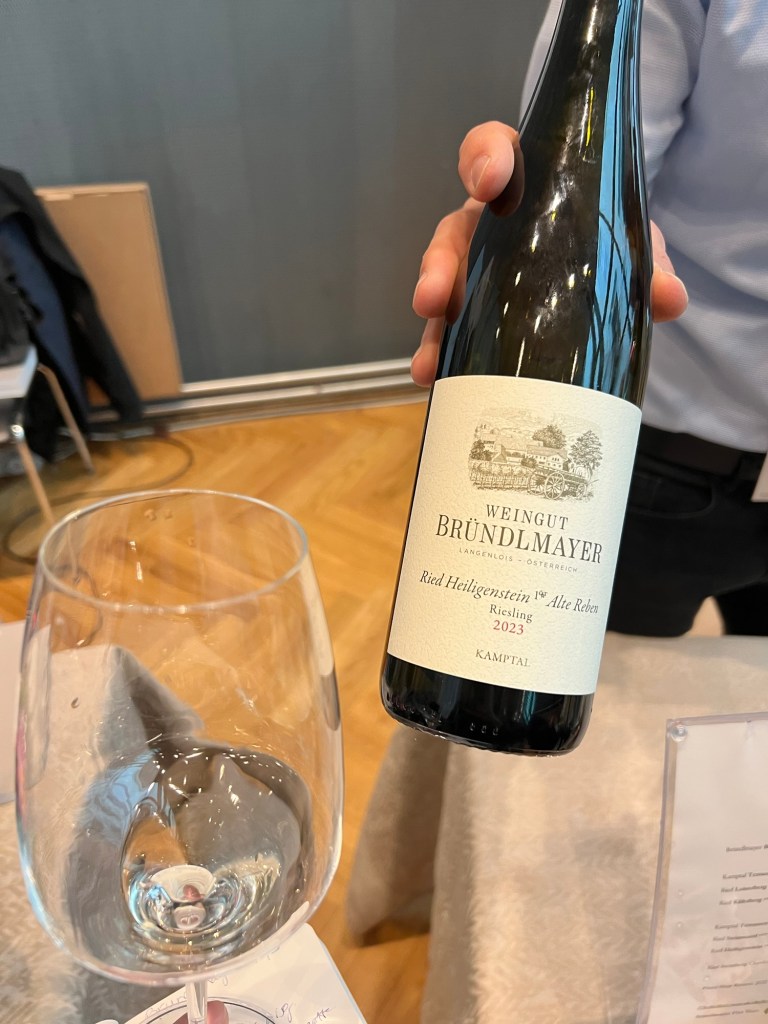
Way too many stunning whites were tasted, this is only a portion:



The reds
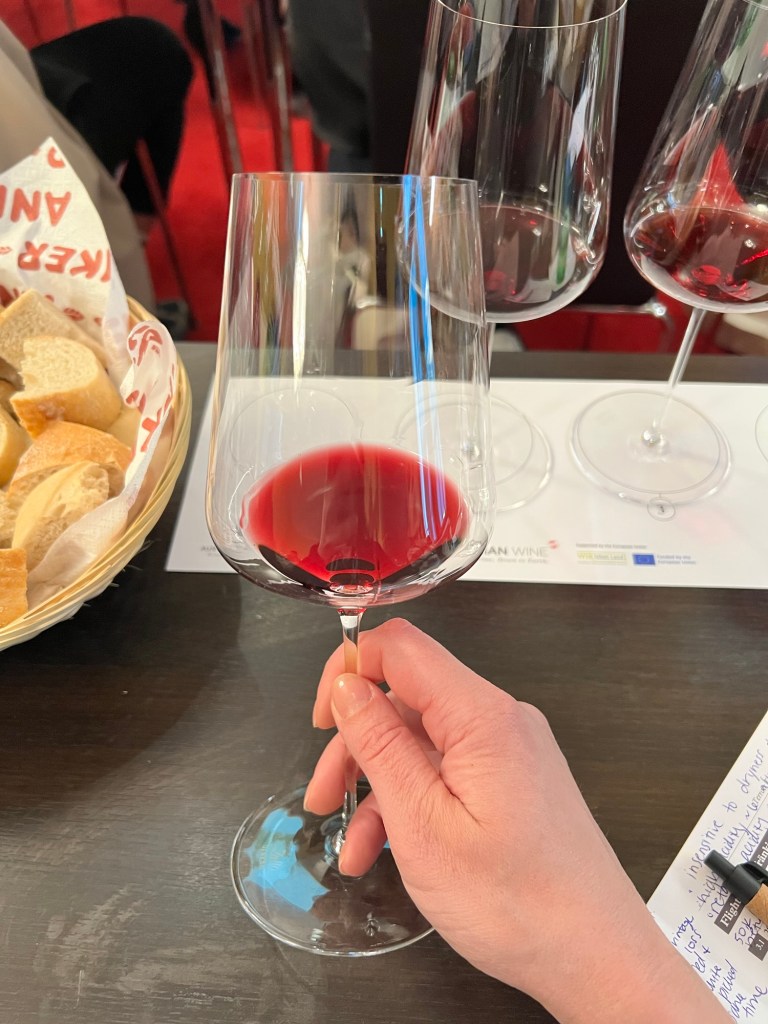
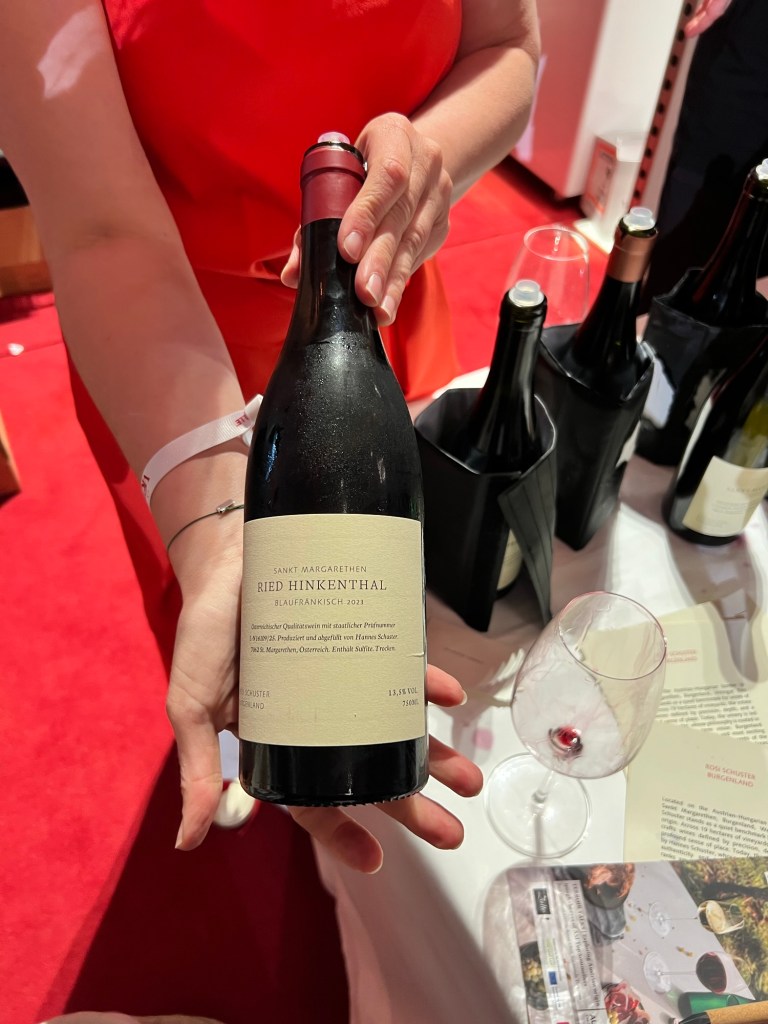
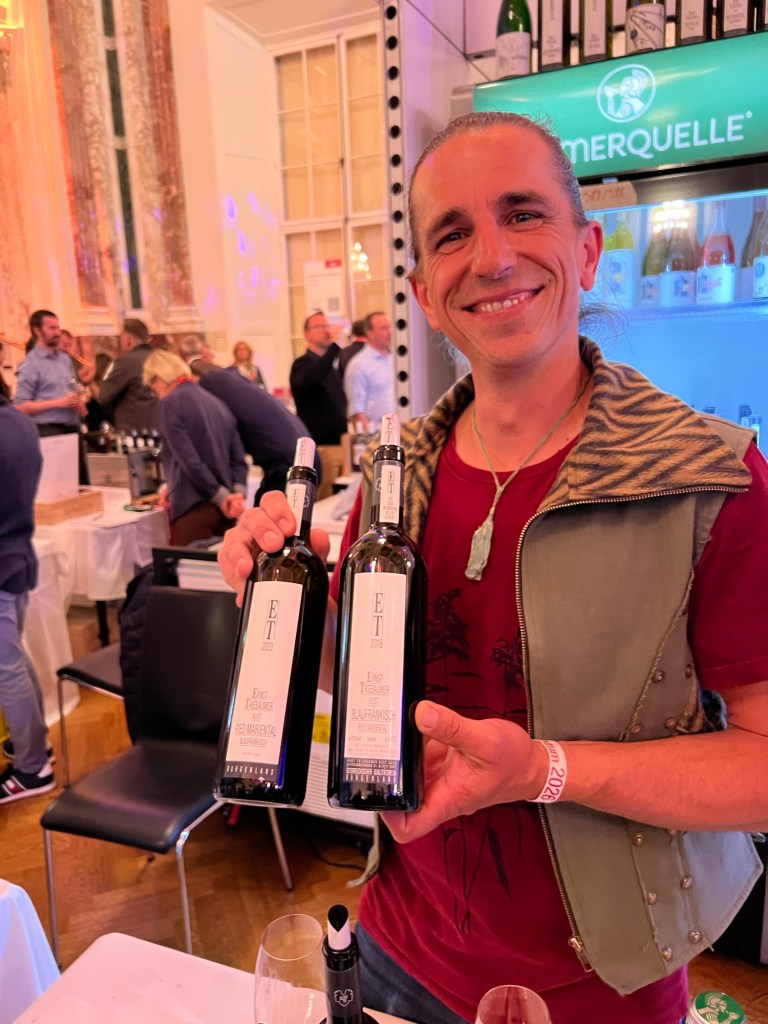
My biggest discovery (and one I can’t stop thinking about) is Blaufränkisch. First of all, it’s so fun to say. Flavor wise, it’s like if Gamay and Malbec had a baby, but it’s also its own thing. Full-bodied, jammy, with a peppery spice. There are so many expressions of this late-ripening grape depending on the producer and region. In Austria, it thrives in Burgenland. Winemaker Georg Prieler, 5th generation winemaker from Weingut Prieler, has noted that Blaufränkisch is one of the unicorns – a constantly ripe cool climate red grape. In addition, it remains a great choice as temperatures rise for it is resistant to dryness and drought, and retains high acidity even in these conditions.
In another masterclass during the weekend, we compared four Blaufränkisch wines – same year (2022), same varietal, but four different producers and from four different single vineyards.
They each had such a different expression, not only due to the producer but likely more due to the unique vineyard compositions in each site (limestone and schist vs. clay or sand). My favorite was the 2022 Mittelburgenland DAC – Blaufränkisch Ried Girm Kirchberg by Artner, from 35-year-old vines.
Side note: if you see ried on a label of Austrian wine, it means single vineyard.

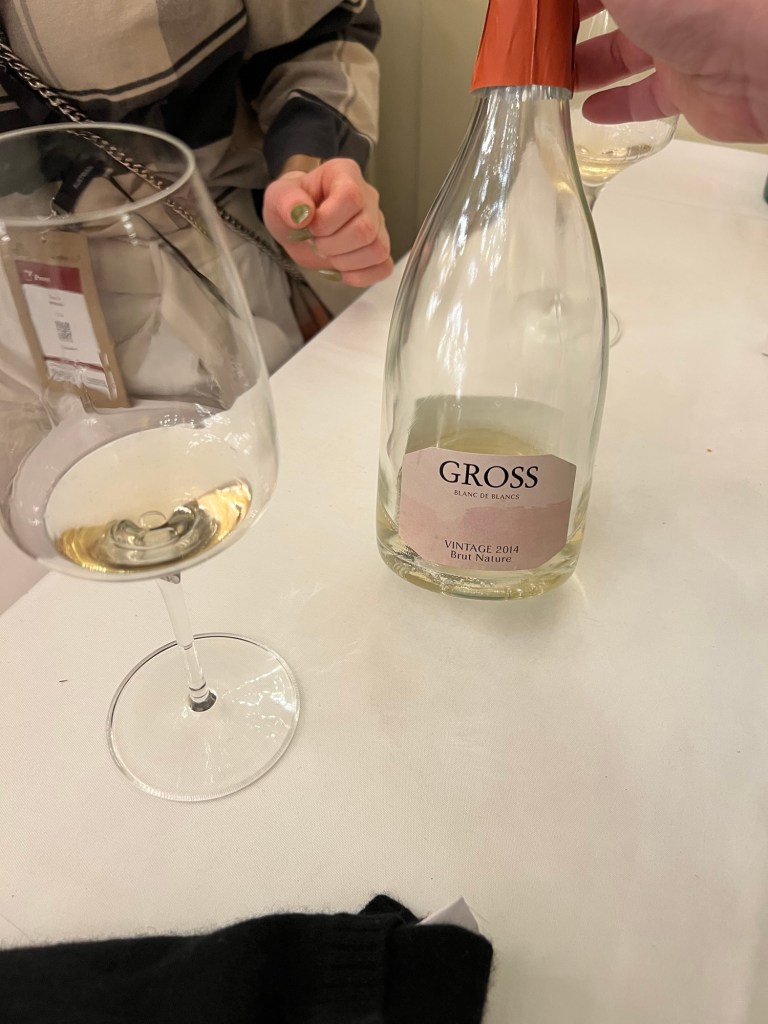
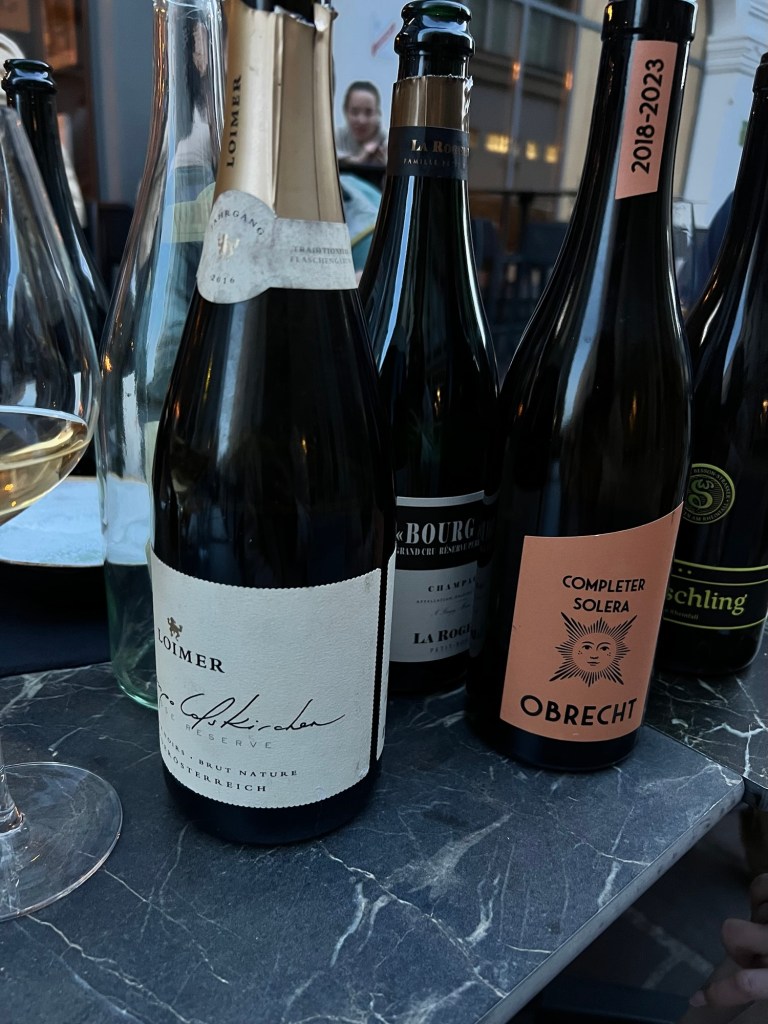
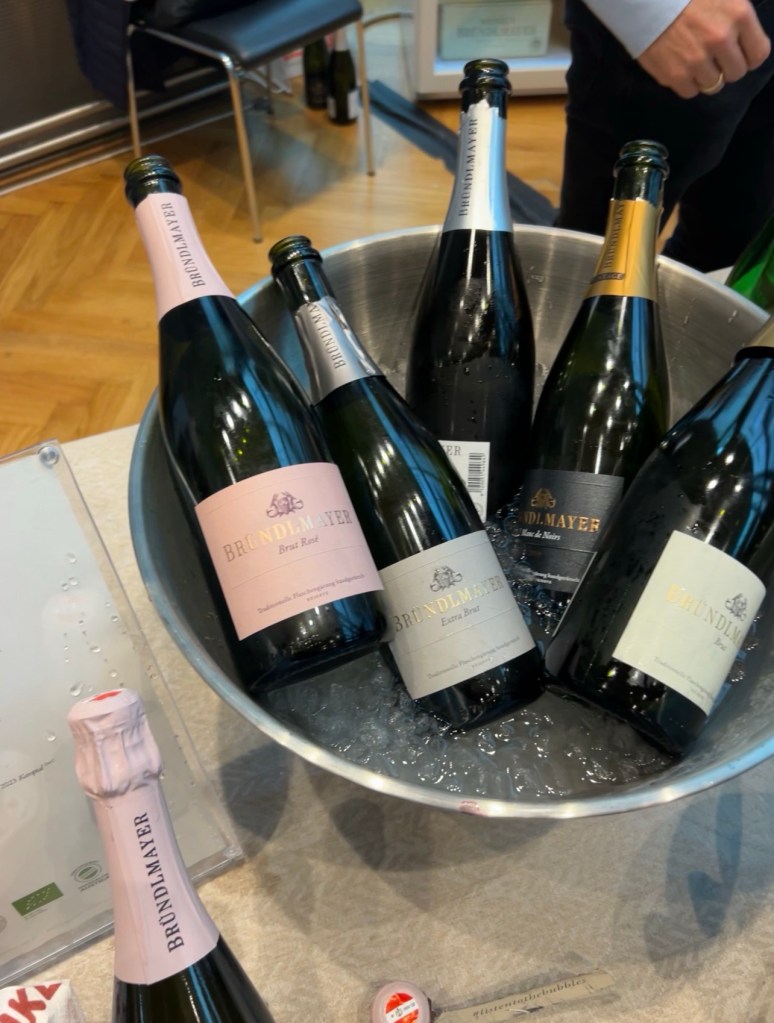
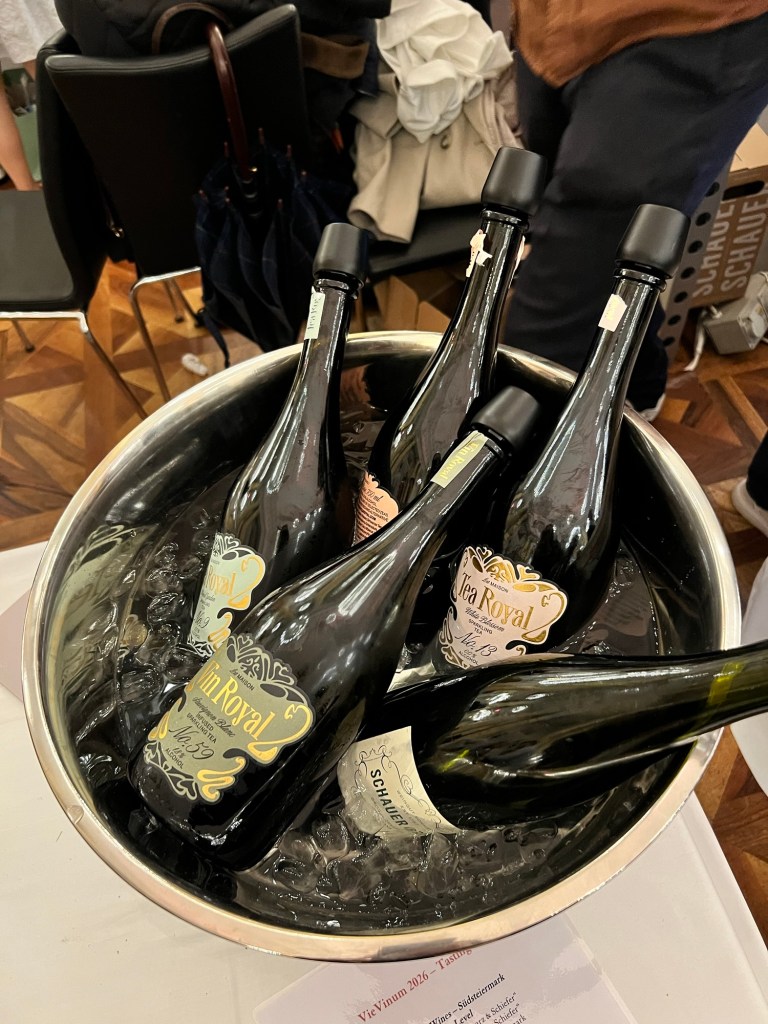
Sparkling
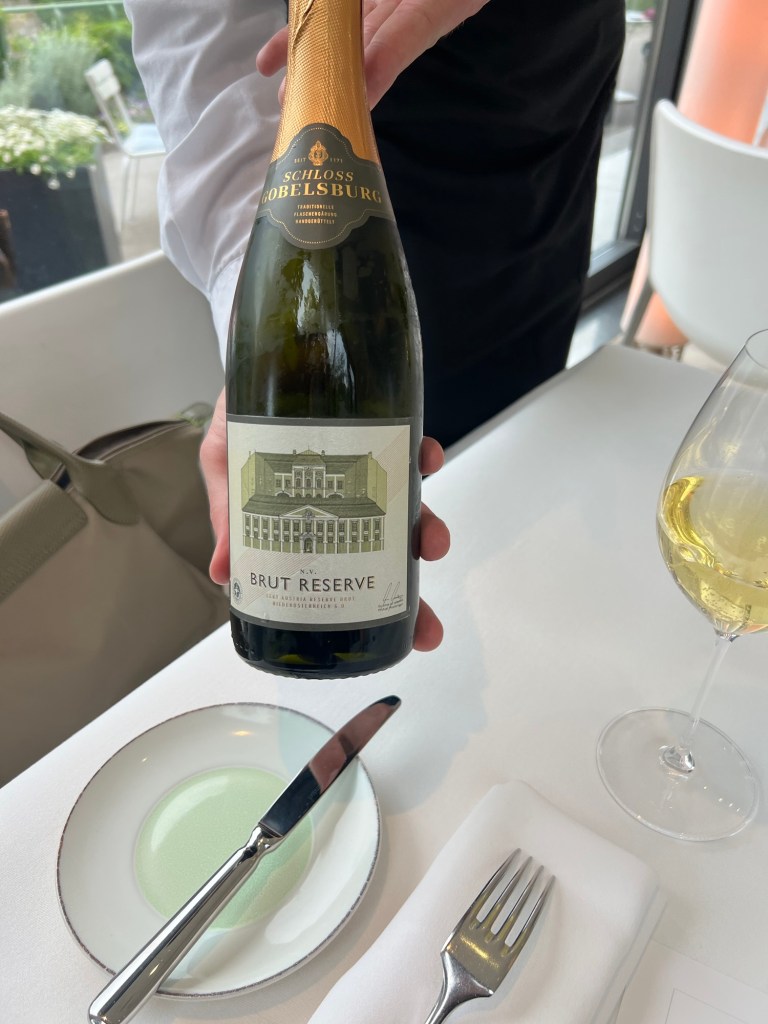
Sparkling Austrian wine is referred to as sekt and many of the producers make it using the méthode champenoise, producing serious sparkling wines that could trip up even a seasoned Champagne taster in a blind.
Like with Champagne, many of the wines are made brut, reserves exist and are sometimes even aged in oak as well. Many producers use the Champagne varietals – Pinot Noir, Chardonnay and Meunier – but there is also a good amount of sekt made with the local grapes: Grüner, Riesling, Pinot Blanc, and Welschriesling.

And this is just me scratching the surface. There is a whole world of wine still waiting to be discovered in Austria.

