
The continuation of my previous post, found here
Food is life
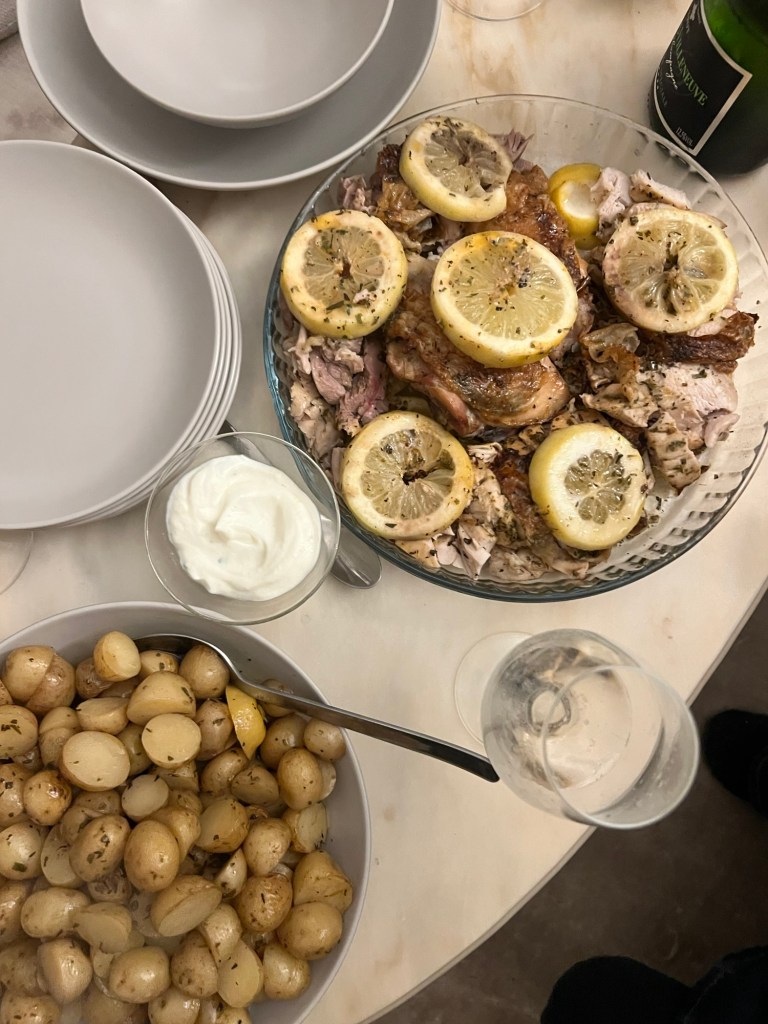
I’ve always had a (sometimes too-strong) appreciation for food, or been a gourmand as the French say. But here it is taken to a whole new level. Coffee walks do not exist here. Eating and drinking on the go? Might as well walk around with an “I’m a tourist” stamp on your forehead. Regardless, after 3 years of living here I am still guilty of this myself.
When it comes to food and drink in France, they are dedicated the time to be enjoyed. Coffee is often had as an espresso while perched at a café bar or table, and enjoyed leisurely. Meal time is a ritual in France. They did invent gastronomy, after all. Meals are prepared with care and intent. There is a lot of pride, both for the chefs who create the dishes and for the waiters who serve them. Prominent chefs in France are regarded with respect, almost as local celebrities.
The average French customer understands the amount of work and preparation (mise en place) that goes into crafting the dishes at a restaurant or in someone’s home, so naturally they respect them. They also tend to finish their entire dish at a restaurant (out of appreciation but also because portion sizes are much more manageable). Of course, the French know what they’re doing when it comes to cooking, so dishes are not only delicious but also respect the seasons and what nature gives them. Good quality restaurants aim to highlight the local produce of the season, usually supporting local farmers and purveyors and also communicating this information to the customer. Serious restaurants won’t sacrifice using good quality, locally grown ingredients for serving a trendy dish made with out-of-season products flown in from halfway across the world.
And wine is also la vie
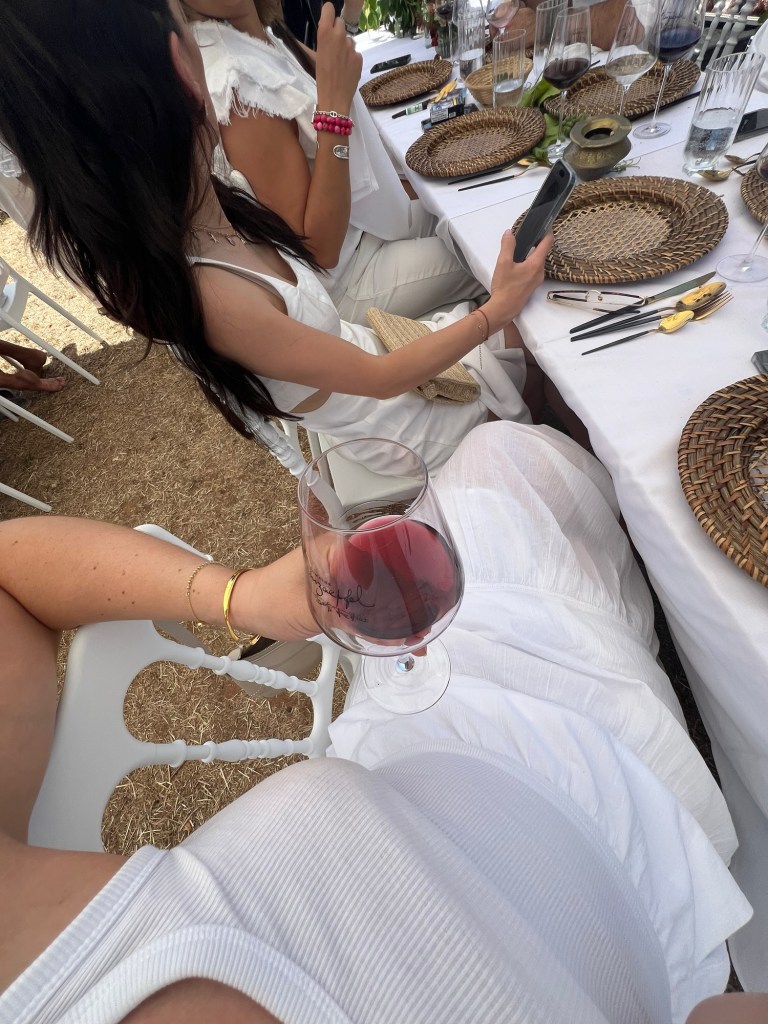
Do I even have to say it? Wine is not just a beverage, it’s culture. For many vignerons, winemaking is in their blood, a generational occupation passed down many, sometimes hundreds of years. Wine ties so many aspects of life together in France – work, friends, meals, celebrations, history, heritage – and it is more often than not enjoyed with food. It is not uncommon to have a small glass of wine with lunch on a weekday, not for the purpose of drinking, but simply because French wine and food come from the same earth and thus complement one another. What grows together goes together! The whole is greater than the sum of the parts. A great dish is further accentuated by the right wine. Think about all of the work and preparation it takes to create a dish at a Michelin-starred restaurant or even just a great local bistro. Now think about all of the years of work necessary to craft a great wine. Not pairing a meal like this with a fine wine would be missing out on the full potential of the experience.
Wine in France is enjoyed but also respected. In France, food is everywhere, and where there is food there is wine. Sundays are very important for long family meals, and don’t even get me started on 6+ hour Christmas dinners. Even children in France are sometimes given a taste of wine by their parents at family meals, so they can start to appreciate the product for its taste. The drinking age is younger (18) but there are less extreme circumstances that we experience with underage drinking in the US.
The French are raised to respect wine as a product of hard work and craftsmanship, and not as just see it as an alcoholic beverage.
Stop and smell everything
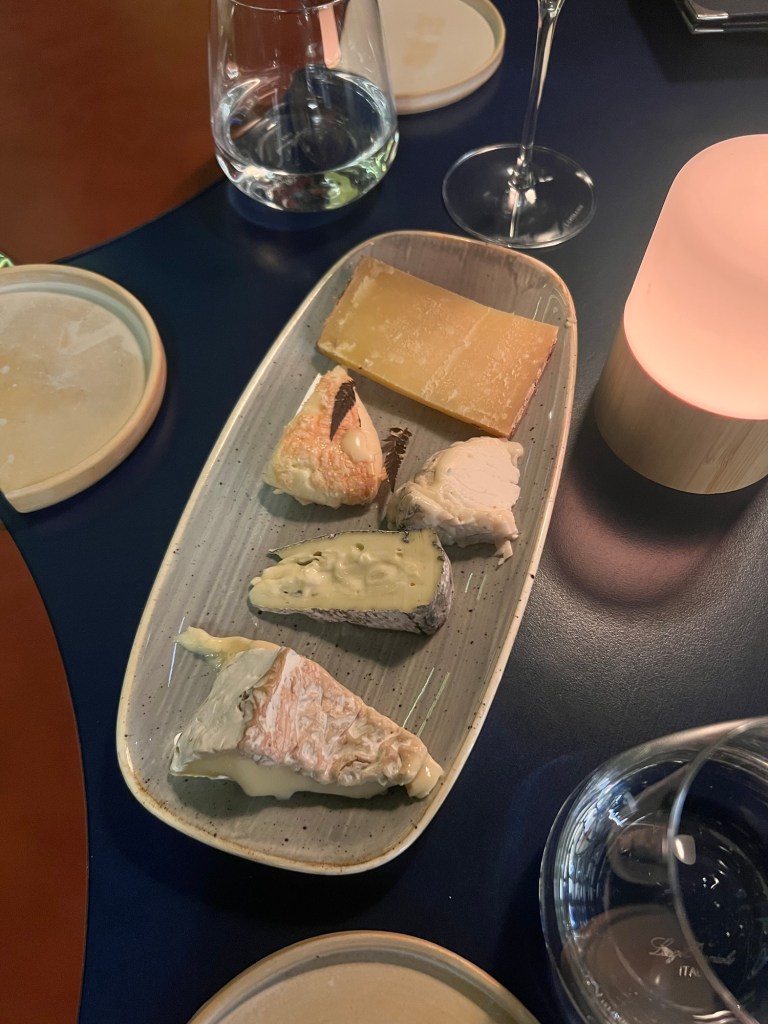
One of the most useful phrases I adopted quite early on in my French speaking career was ça sent bon, meaning simply “that smells good.” There are so many wonderful smells in France – from waking up to the smell of fresh-baked croissants at the boulangerie, or even the smell of Paris after it has just rained. The French will not only intently smell a glass of wine before tasting it, but also a cheese before eating it (the stinkier the better, especially for winter melty cheese activities).
Of course, some of the most beautiful smells are from the kitchen. Cooking is a huge part of French culture and the scent of something can be equally if not more important than the look or taste of it.
In French, the verb “to smell” (sentir) is actually the same verb as “to feel”. When something doesn’t feel right, it literally translates to “it smells off.” The French can tell a lot from their sense of smell and they will quite literally sniff you out.
Don’t be in such a rush
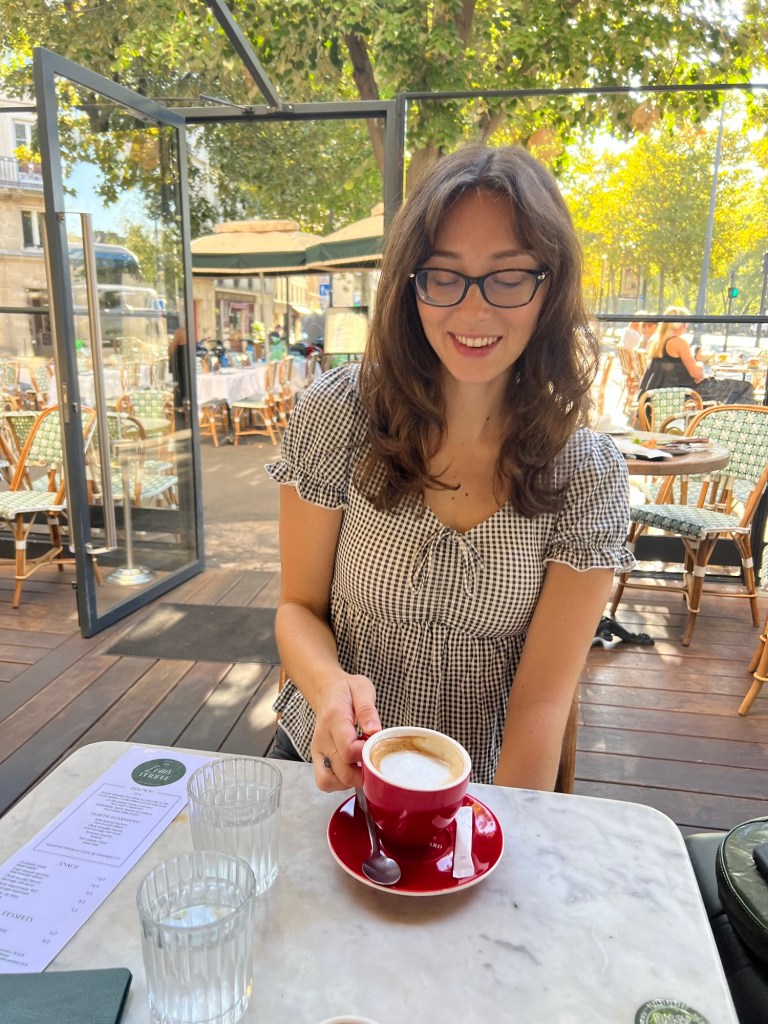
The French (and Italians as well) invented terrace culture – the art of sitting, talking, people watching, sipping, or just doing nothing at all. Basically what we call “laziness” back home.
While our American brains might not compute the idea of simply sitting and enjoying while having nothing to do or nowhere to be, in three years I’ve actually trained myself to enjoy this lifestyle. In the beginning this was a huge culture shock. I was constantly pressuring myself with where I had to be next, what I had to check off my to-do list, and not wasting precious time. But the fact is that not stopping to enjoy those small moments sitting at a café or on a park bench is wasting precious time. Now, those little moments fuel me, whether I’m meeting up on a terrace with friends for a drink after work or reading by myself in a park in Paris.
On the other hand, everything takes longer here. That relaxed lifestyle applies to pretty much every aspect of life, including when you do actually need to get stuff done. Any standard wait times we would be used to in the US are basically multiplied by 10 here. Born and bred in the land of efficiency, living in France was a huge lesson in patience and I am still learning every day.
Say what you mean and mean what you say
This one is not so much something I learned, but more a reminder. However, as with many things, the French take it to another level. In other words, they’re what we’d call “brutally honest.” But for them, it’s just normal. Why waste your and other peoples’ time by sugarcoating the truth about what you really feel or think? If you look like crap, your friends will tell you. If they don’t like something, they are not afraid to say it. Remember “if you don’t have anything nice to say, don’t say it at all”? You can forget that. This is perhaps where the stereotype of the French being rude comes from.
The hardest lesson was learning to not take this personally. However, I’ve now adopted this habit almost a little too well and have to keep myself in check. I was recently scolded by my family on a trip back to the US for being rude when I gave my too-honest opinion about something we ate at a restaurant that I didn’t care for. I’ve been Frenchified.
 The Younger Wine