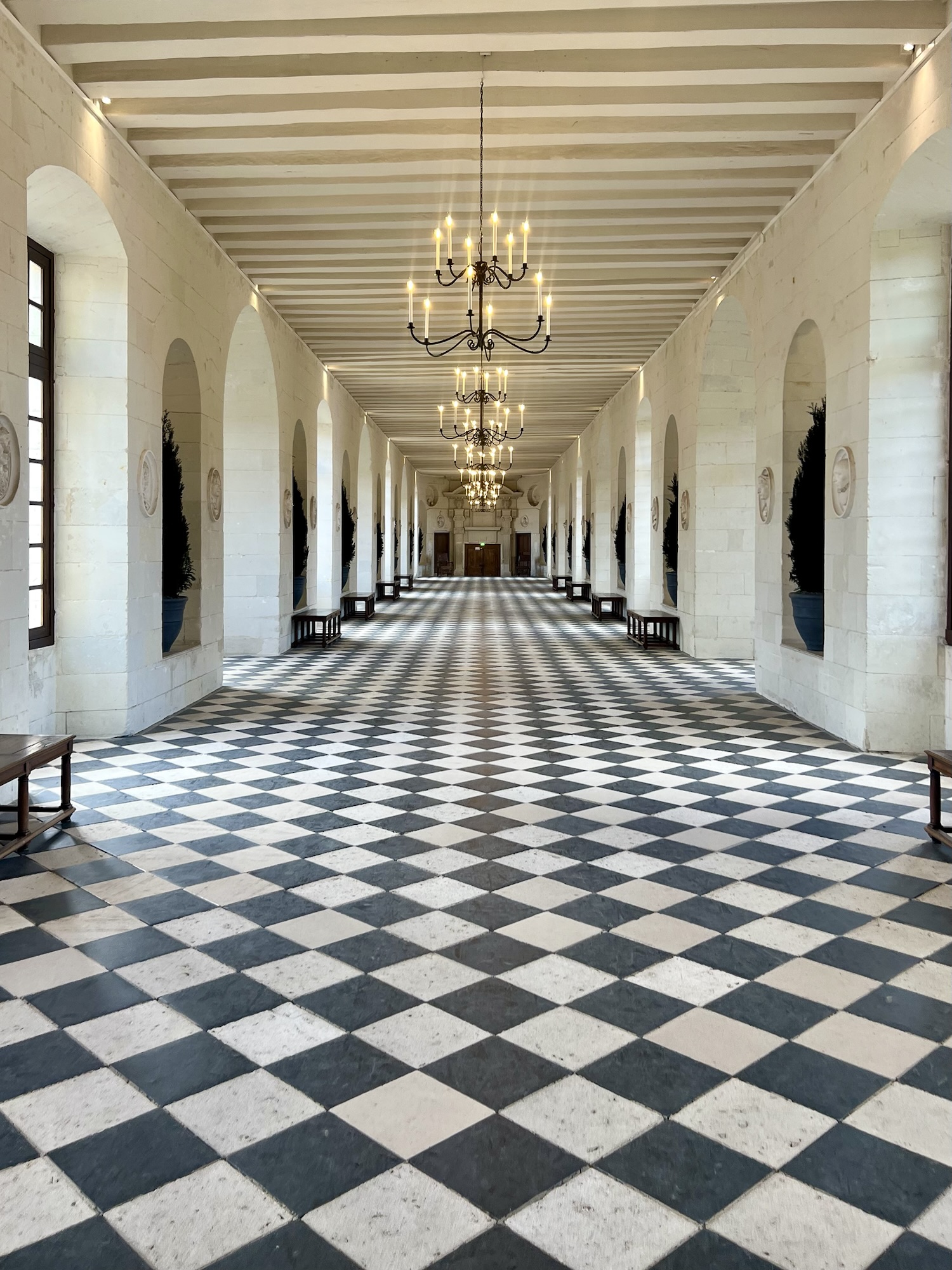
Has there always been this obsession with the French? Their style, their cuisine, how the heck they stay so thin? Of course the French have taught us many things over the course of time, probably without necessarily trying to (which makes it all the more frustrating). When adopting some of the French savoir-faire we often think of how to dress, how to do the perfect red lip or how to bake the perfect macaron. But what about the subtleties of French culture? What can we really learn from that?
In my three years of living in France, I’ve done a lot of observing. Observation is a very French pastime in itself – if people-watching could be an Olympic sport the French would bring home the gold every time. But sitting elegantly on a terrasse, judging passersby while slowly sipping a petit Chablis isn’t the only skill I’ve adopted during my time in France.
Here are some of the lessons I’ve learned from the French in my time here.
It’s okay to say no
Non might be one of the most used words in the French language. Sometimes it comes disguised as “c’est pas possible” (“that’s not possible”). In France, the knee-jerk reaction is no, not yes. This was a huge culture shock for me, an American, born and bred in the land where everything IS possible! And if it’s not, we’ll make it possible, with a smile obviously.
After I moved passed my frustration of being turned down for seemingly simple requests, I realized that “c’est pas possible” doesn’t always mean that it’s not possible. Sometimes it just means you have to negotiate a little bit (another French national sport). Or sometimes it really isn’t possible that day because no, they will not stay open a few extra minutes passed closing time to fetch your package for you.
My main realization was that I had spent my life saying yes way too much, even to things I didn’t want to do or maybe just frankly didn’t have the capacity to do. Essentially practicing the all-too American pastime of people-pleasing. The French value their personal time and boundaries, and they know their limits. They don’t bend over backwards for just anyone. It’s okay to say no more.
Don’t try so hard
This flows nicely with saying no. Of course, the French try in their jobs, in their personal lives, in their vacations (especially their vacations). Some of the hardest working people I know are French. But they don’t overdo it.
One of my French coworkers once told me, and I quote, “you don’t always have to be the best.” Ouch. But he was right. As Americans, we’re always trying to be the most this or the most that. Number one. In France not only is that not their culture, but it can even be looked down upon if you’re too ambitious. In terms of fashion, French women are notorious for their “effortless” beauty (which secretly does require a good amount of effort). They use makeup to highlight her natural features more than hiding their imperfections. As said by Jeanne Damas, French designer and owner of the Parisian-chic brand Rouje, “Makeup is not to transform or to hide, but more to reveal and embellish.”
And perhaps most importantly, they don’t feel the need to smile all the time, at other people or just in general. I’ve heard from French people that smiling too much can be a sign of phoniness or untrustworthiness. Unfortunately, I love smiling (smiling’s my favorite!), and I find it a natural reflex. In the US, our immediate reaction to someone passing by is to smile, whereas in France the greeting is a neutral face and a simple “bonjour” as acknowledgement. I quickly caught on that my smiles of acknowledgement shot at the unknown passerby were seen as bizarre.
Invest in what lasts
Here, purchasing higher quality garments at a bit more expensive of a price is preferable over trendy things that won’t last. The French love their clothes, don’t get me wrong, but they choose them carefully, making sure they flatter their personal figure, and keep the ones that they do choose for a while. They always look presentable. You will rarely see a French person walking about in sweats in public, even if it’s just to run downstairs to grab something from the grocery store. Your physical appearance is a reflection of the state of your life, and of yourself. The French build high quality things and clothes that are meant to last.
In France, time, effort and resources are poured into preserving not only the beautiful monuments that we all know and love, but also into preserving one’s beauty and physical appearance. The French will often invest in good quality skincare, haircare, makeup, and also food to preserve their natural beauty.
This also applies to friendships and personal relationships. Good luck trying to make fast friends with a French person. The French are known for being standoffish at first, sussing you out while they deem weather or not it is worth investing in you as a friend. They want to know what you’re really about. Friendships take time or a mutual common ground to blossom. This was frustrating at first, being an American where we take a much more casual approach to friendships. However, the result is beautiful because you know if you do eventually become friends it’s a true friendship, one you can depend on. If you’re lucky enough to make a French friend you’re usually stuck with them for life.
Everything can be more beautiful
In France, doing something because it is appealing to the eye is as good of a reason as any to do something. I always come back to the example of wine or food. You can have the most delicious dish filled with flavor, complexity, depth, texture – but if it’s not visually appealing, people might not even dare to taste it, sadly missing out on its beauty.
If the French have an opportunity to make something more beautiful, they will take it. They will also be sure to tell you how “beau/belle” they think it is. I also think “beau/belle” are the second most used words after “non” in the French language.
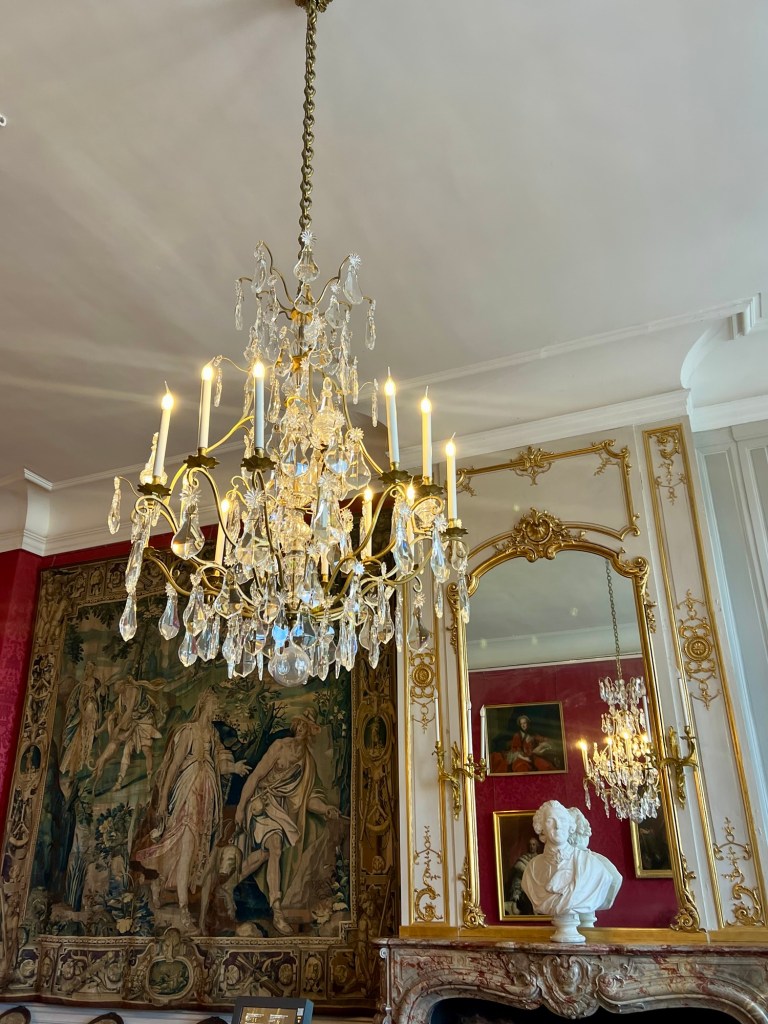
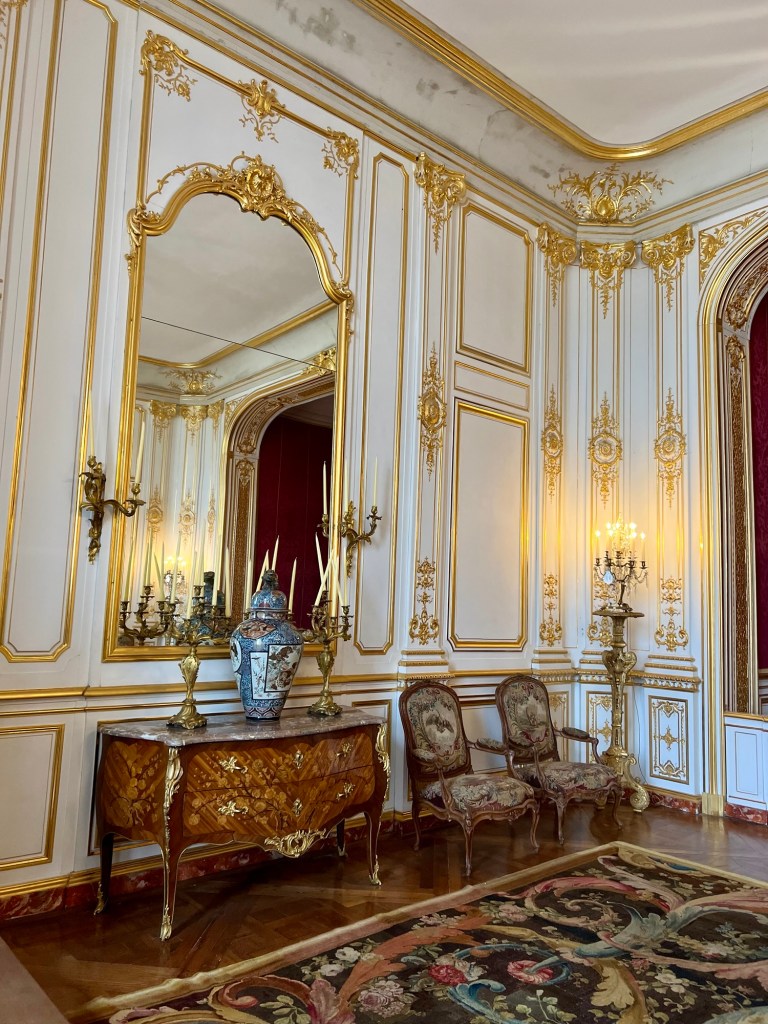
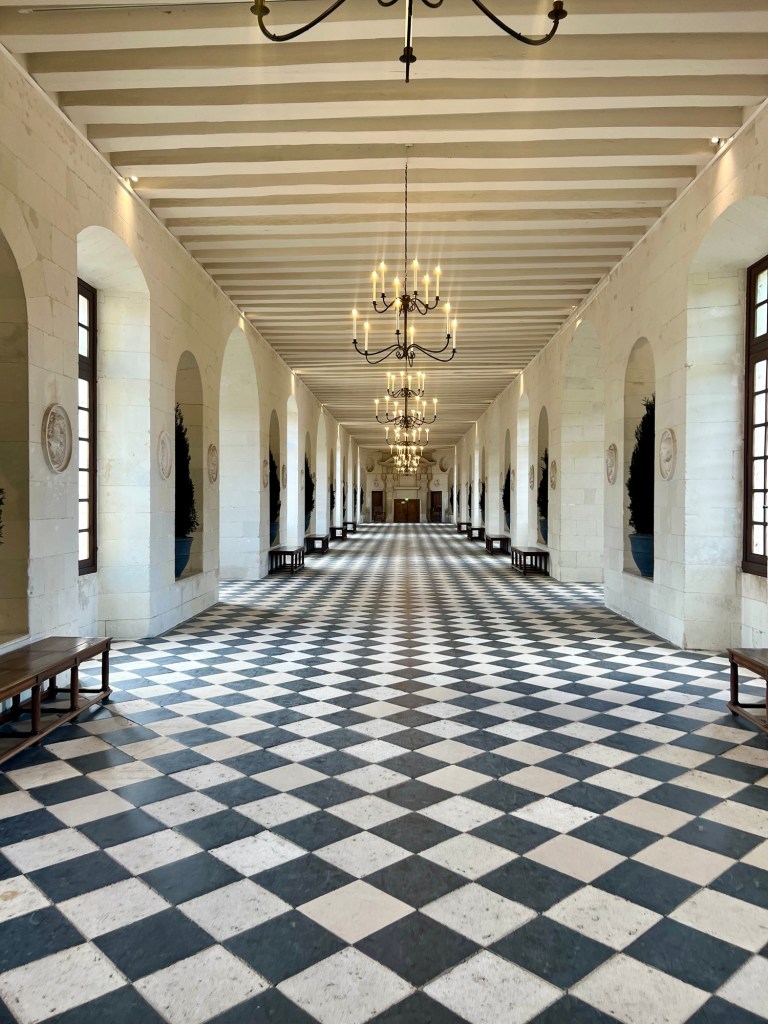
Luxury was even invented by the French, François I being the first to build a castle in the ornate and luxurious style that we know today. Before his first castle, le Château de Chambord in the Loire Valley, castles were ugly fortresses built solely for the purpose of defending a city. Only the French would invent a new way to make something both functional and beautiful.
The lesson here is to take the time to make something a little bit more beautiful everyday – a presentation, a dish, an outfit, a garden. Don’t skimp out on the aesthetically appealing.
Voilà, a few of my favorite French things. Part 2 coming shortly.

 The Younger Wine