
We all think of the Alps, the cheese, the beautiful rolling hills, the cute little villages within hiking distance of one another, the chocolate and of course the watches. What we don’t often think of is the wine. Does Switzerland make wine? Yes! And it’s quite tasty at that.
Grapevines in Switzerland are recorded to have been planted as early as 58 B.C., so you can say the Swiss know a thing or two about making wine. Present day, the main grape varietals planted are Chasselas (or the fancier and more fun to say Chasselas doré if you learned the varietal in Dr. Andy Walker’s viticulture class) and Pinot Noir. Next most popular are Merlot and Gamay, but Switzerland also uses other native and very interesting varietals:
- Gamaret (cross of Gamay and Reichensteiner from the Lavaux region)
- Garanoir (Gamaret’s sister variety)
- Diolinoir (a cross of Pinot Noir and Rouge de Diolly, the cutest grape name ever)
Last weekend I visited Lavaux, one of Switzerland’s wine regions, with some good friends of mine (shout out Hannah and James, The Younger Wine guest post coming soon?). We tasted a flight of local wines from the Lavaux region, before taking a much needed dip in Lake Geneva to cool off (or Lake Lémon as the locals call it).
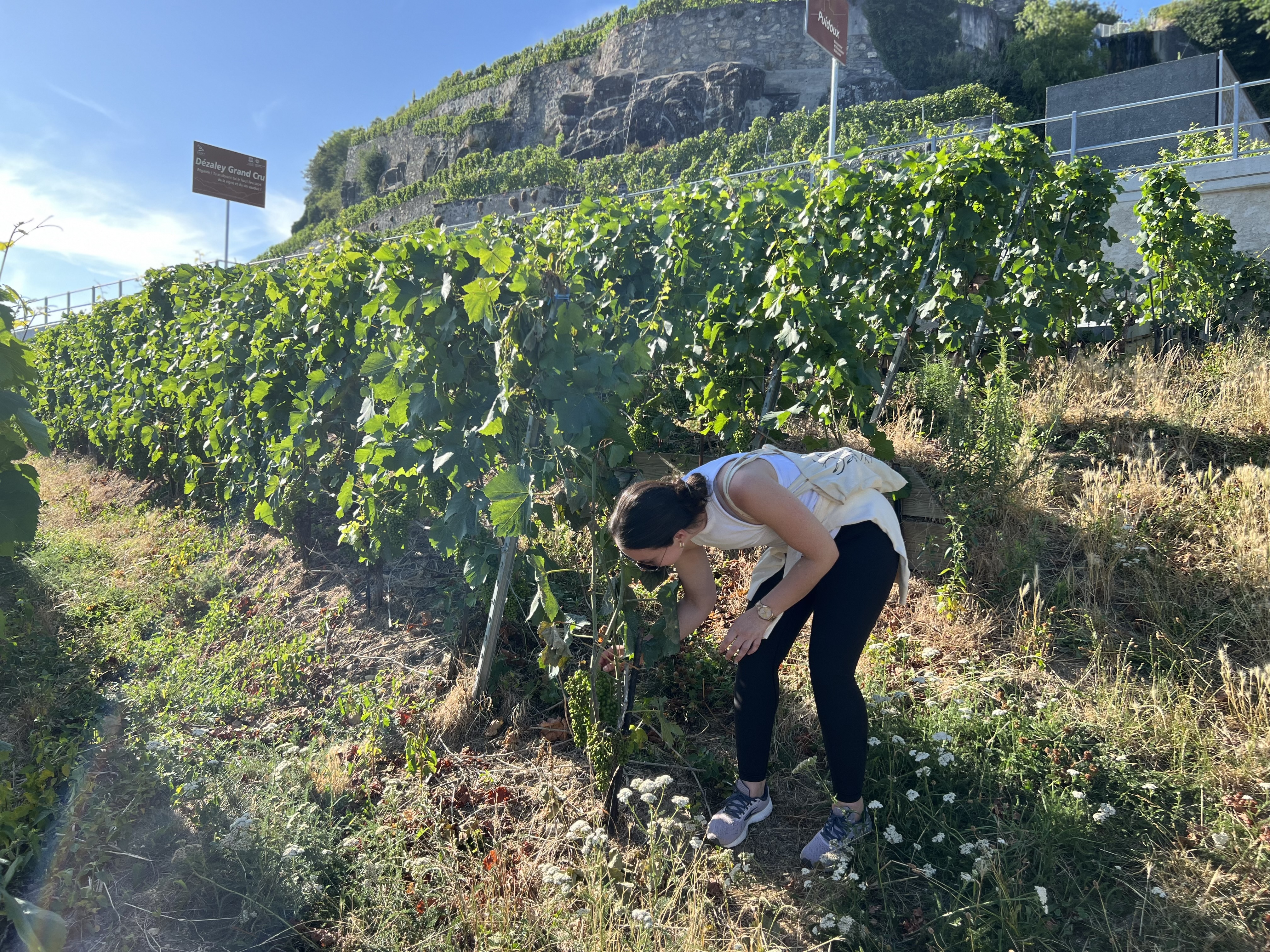
The tasting began with the famous Chasselas, my first time trying the grape. We tried two different producers, both from the region, and the second being a Grand Cru. In order for the Chasselas to be a Grand Cru it has to come from the Dézaley vineyard site of the Lavaux, which was where our tasting was.

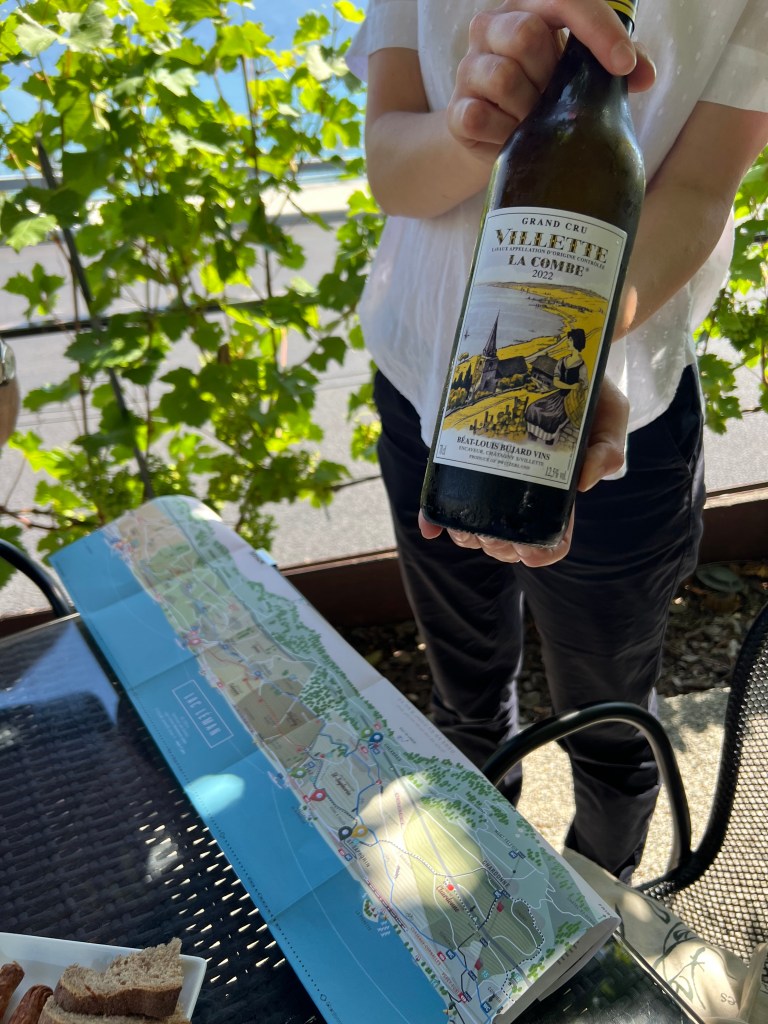
The two Chasselas wines were incredibly distinct for being the same grape from the same region, showing just how much vineyard site plays a roll in expression. The first had strong acidity on the front of the palate, with a more round and almost fatty mouthfeel on the mid and end palate. Flavors of honey, ripe pear and a hint of flint minerality on the finish. The Grand Cru Chasselas showed much more minerality, acidity and had a longer mouthfeel. Subtle flavors of golden raisin.
Overall, Chasselas showed a lot less fruit than I was expecting, and showed much more structure and minerality (but in a wet stone way, less of a Chablis way). The group felt the same in that the wine was hard to describe because there weren’t any one or two strong flavors that jumped out at us – it just tasted like well-structured white wine. In researching Chasselas after, I found a blog post highlighting the opinions of different winemakers on the grape which exactly described our sentiments.
“Because the variety doesn’t have its own strong personality it really does take its personality from the soil where it grows. You really taste where it comes from.”
Chasselas winemaker Henri Cruchon
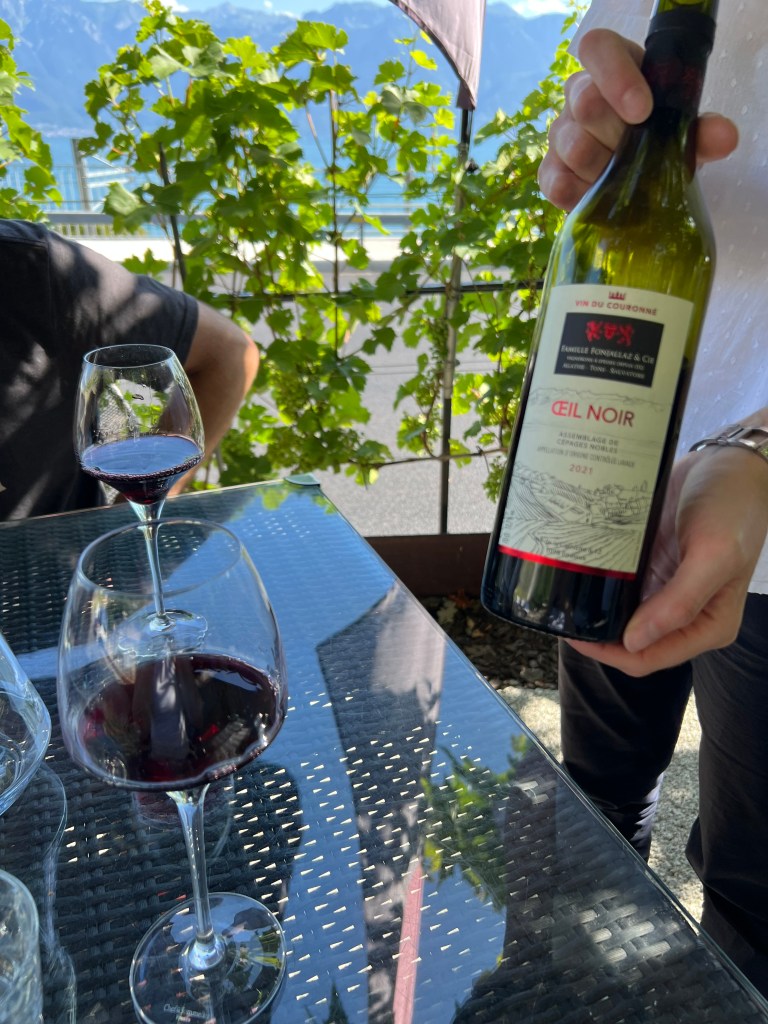
The next 3 wines were red wines, starting with the Oeil Noir (2021 Pinot Noir, Gamaret, Garanoir blend) from the Lavaux AOC and finishing with the Grand Cru St. Saphorin 2019 (Pinot Noir, Diolinoir and Mara blend). The Oeil Noir had notes of fresh cherries and strawberries on the nose, with structured acidity and red currant on the palate. The Grand Cru was nicely blended and showcased the structure of the first wine with more fruit on the palate.
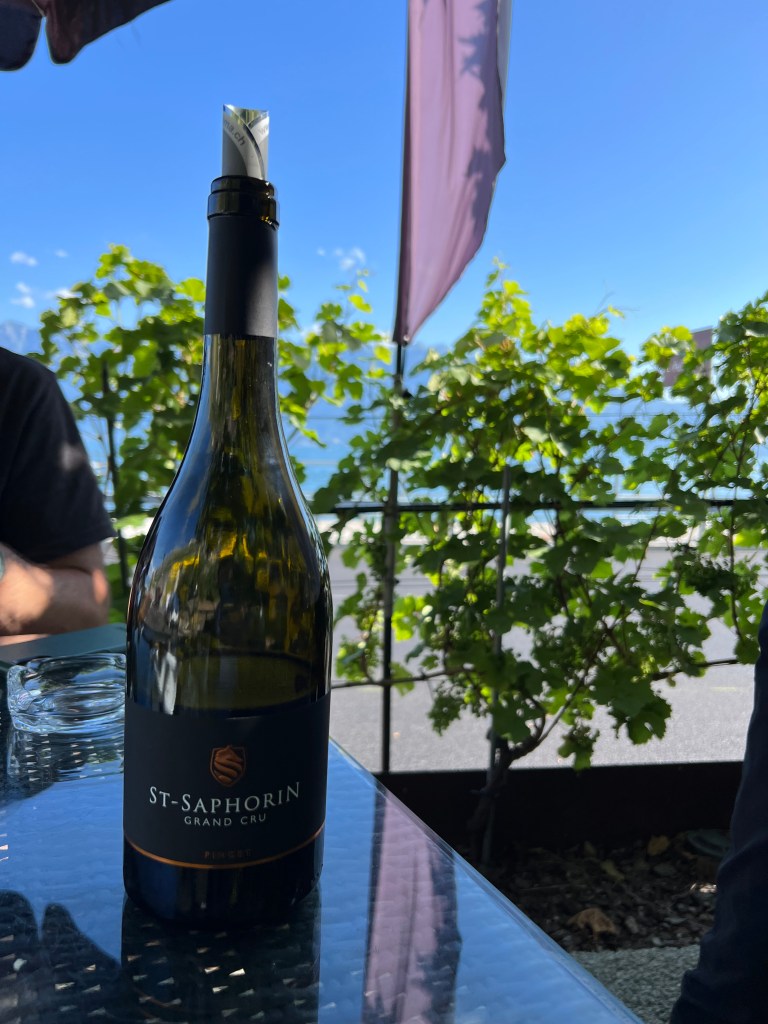
Lavaux is one of the AOCs in the Vaud wine region of Switzerland, which encompasses the area around Lausanne and Geneva. Lavaux is just a short train ride or 20 minute car ride from the larger nearby city Lausanne, but if you do decide to plan a wine tasting beware that many wineries are closed on weekends from noon on Saturday. Because of this, we went wine tasting at the local collective, Vinorama Lavaux, which featured wines from several of the local producers. It was a great way to try many different producers in a relaxing, beautiful setting.
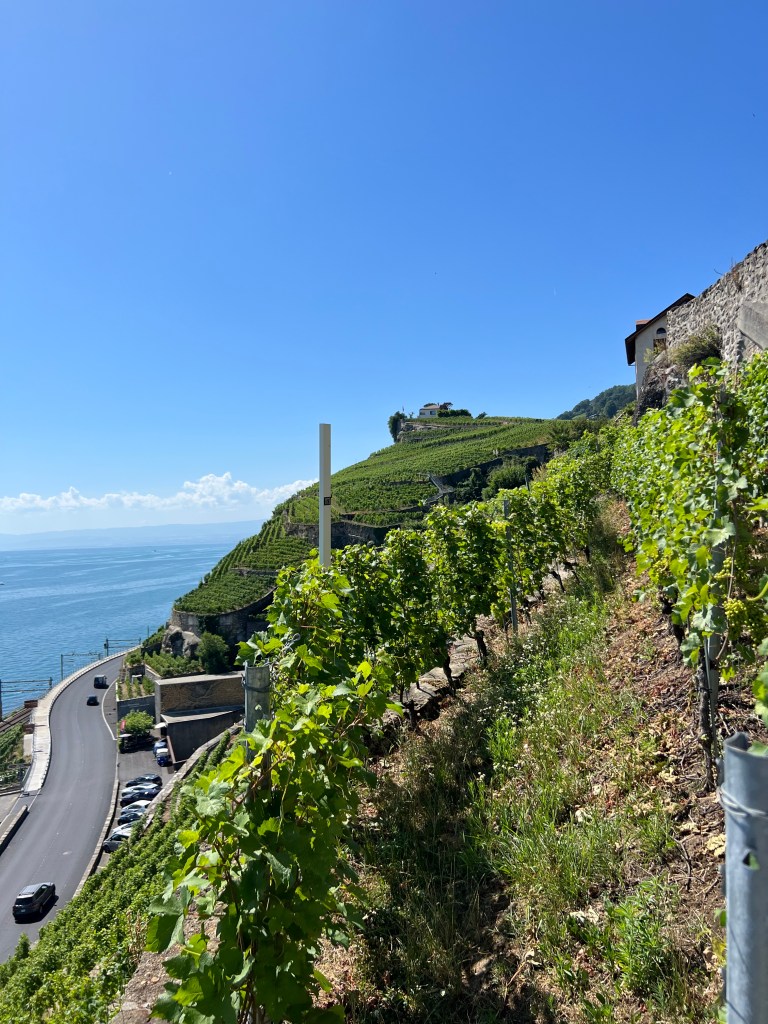
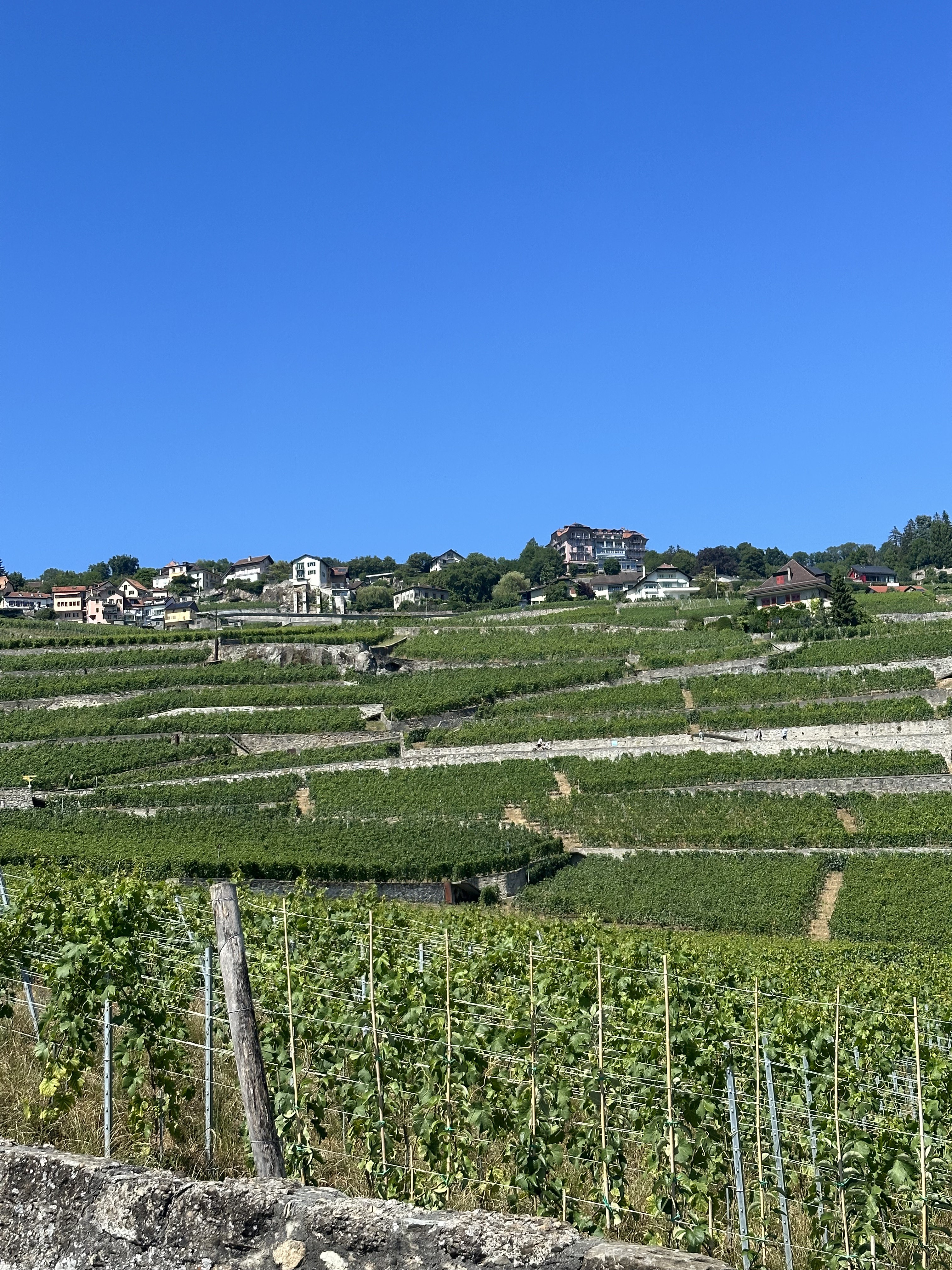
There are many wine experiences in Lavaux. In the small villages we passed many tasting rooms and wine bars, and there are of course the wineries to visit. In true Swiss fashion, there are also several hiking routes that take you through the famous, UNESCO World Heritage terraced vineyards of Lavaux with stops at different wineries on the way.
It is recorded that in 1141 the Bishop of Lausanne had Lavaux cleared to plant vines. This little region has been producing wine ever since, but why is it that wine from this region is largely unknown to the rest of the world?
One reason is that the country doesn’t produce that much of it. In terms of area planted to vine, Switzerland has about 14,700 hectares of vineyard, or just over 36,000 acres. To put it in perspective, just Napa Valley has at least 45,000 acres planted to vine. Switzerland is also notorious for its terraced vineyards, which are just as beautiful as the photos, but also make for low yields as everything must be hand-farmed due to the steep nature of the vineyards.
The second reason is that most of the wine is consumed within the country’s borders and not exported to the rest of the world.
Is there a market for Swiss wine in the rest of the world? Currently Switzerland exports about 2% of its production, but there has been a recent uptick in curiosity of Swiss wine, in correlation with the recent uptick in curiosity of wine in general, especially after the pandemic.
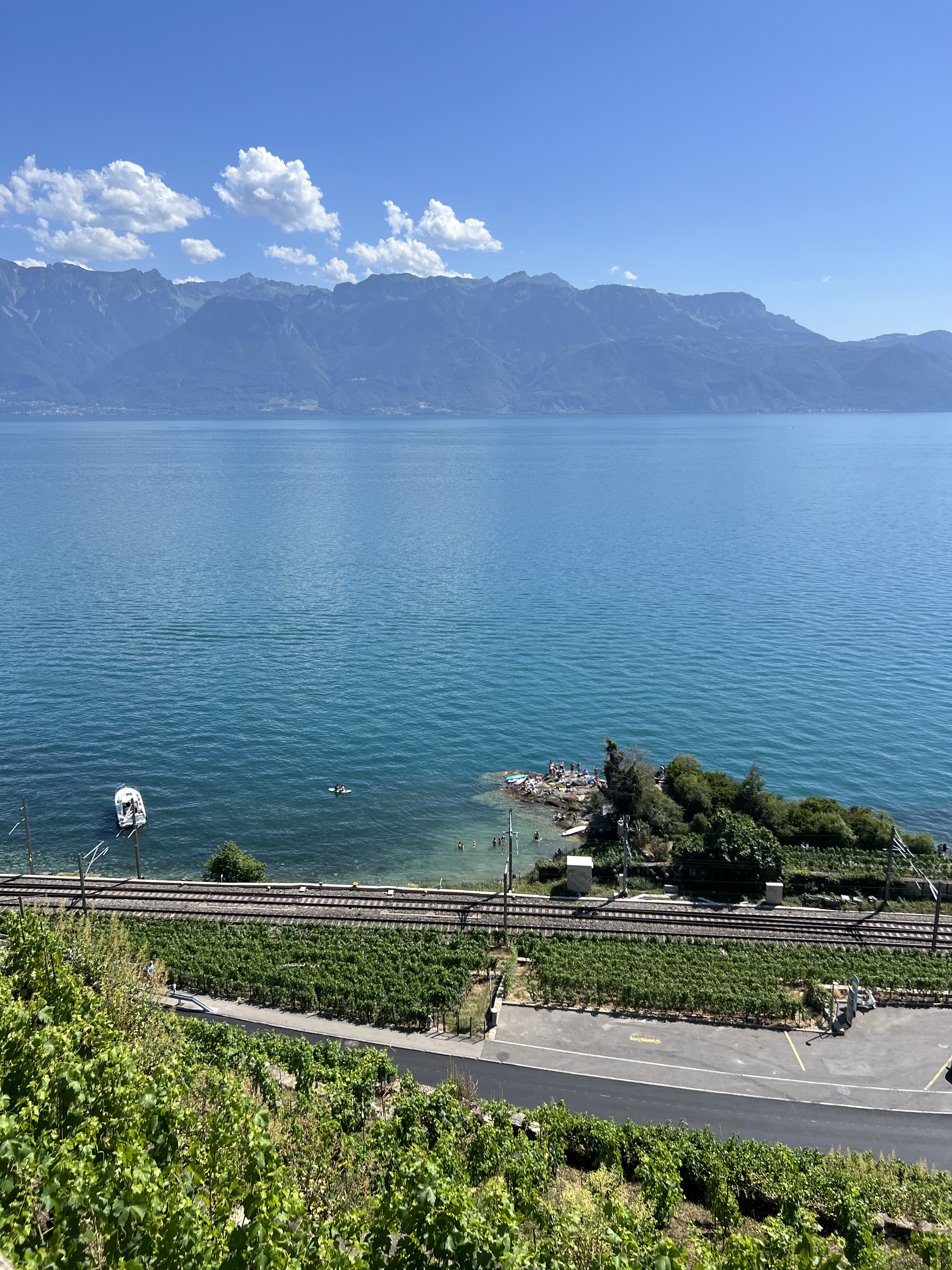
The best way in my opinion, however, to experience Swiss wine is to visit these terraced vineyards yourself and taste the wines while looking over the stunning Lake Geneva. There is truly no better way to get a sense for place when drinking a wine than drinking it in the very place where it is grown.
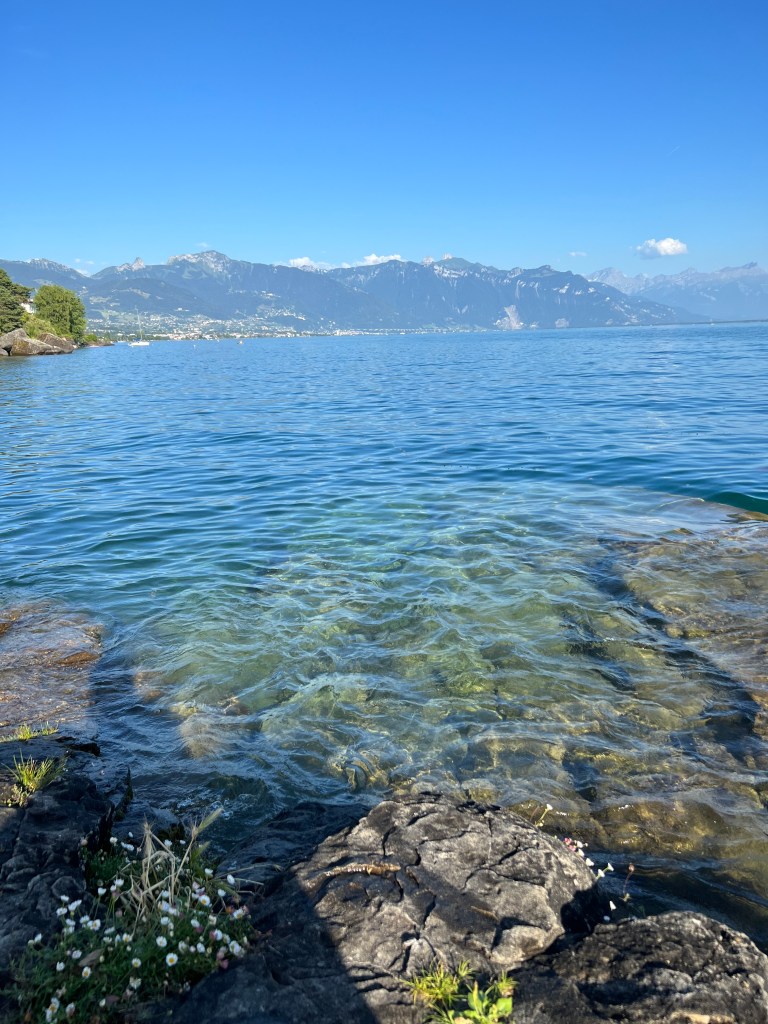
Maybe the best part about wine tasting in Lavaux is that after you fill up on Swiss wine and cheese, you can plunge into the beautiful and clear Lake Geneva. The water was so clear, the perfect temperature and we even had a view of the beautiful terraced vineyards as well as the Alps. A dream!

 The Younger Wine